
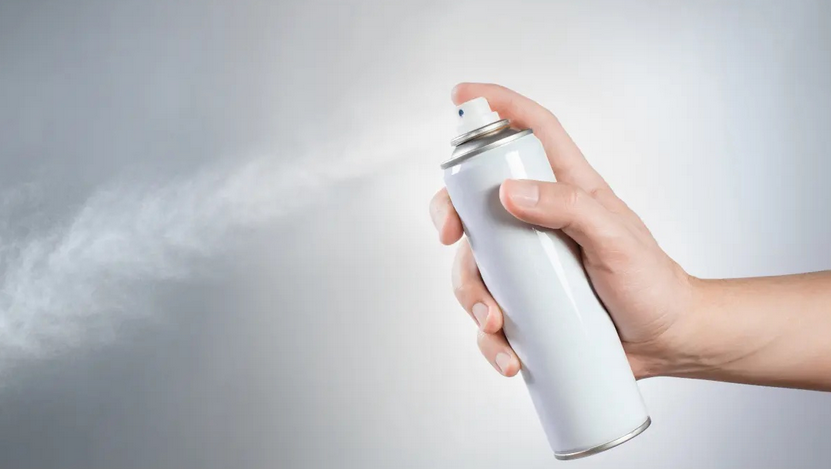
- Spray cans (aerosols) can pollute indoor air through their propellants and contents, potentially causing headaches, dizziness, and worsening allergies, while increasing the risk of cancer in the long term.
- The ingredients of propellants (such as VOCs, DME, and LPG) are often difficult to identify on product labels. A simple countermeasure is to choose non-aerosol types that use nitrogen or carbon dioxide.
- Phthalates and synthetic musks are often found in fragrances and can accumulate in the body. Dichloromethane, used in paint strippers, has been pointed out for its carcinogenicity (with reports such as the IARC classification).
- When using them, it is effective to ventilate the room, use them outdoors, avoid using them near children and pregnant women, and preferably switch to pump or solid types.
Everyday Spray Cans: The Often-Overlooked "Air Danger"
From antiperspirant sprays and hair styling products to air fresheners and pest control agents, spray cans can be found all over our homes. Because they are so convenient, we often find ourselves reaching for them, but it is surprisingly little known that spraying them spreads fine particles and chemicals throughout the room, posing a risk of them entering our bodies through breathing. This time, we will summarize in an easy-to-understand way the health risks hidden in the aerosol cans we use on a daily basis, along with countermeasures you can take right now.
How Aerosol Cans Work and Their Health Risks
Propellants and VOCs (Volatile Organic Compounds)
Aerosol cans spray their contents using liquefied or compressed gas. The ingredients used for spraying include volatile organic compounds (VOCs), DME, and LPG. VOCs are known to cause indoor air pollution and "sick building" symptoms. Inhaling VOCs has been reported to cause headaches and dizziness, and in the long term, there are concerns about central nervous system, liver, and kidney damage, as well as carcinogenicity. There are also cases where they are involved in worsening allergic symptoms such as asthma and atopic dermatitis. The Tokyo Metropolitan Bureau of Environment also introduces how to choose low-VOC products.
Ingredients to Be Especially Careful of in Spray Contents
Phthalates and Synthetic Musks (Fragrances)
Synthetic fragrances used in many personal care products sometimes contain phthalates and synthetic musks. Phthalates raise concerns about endocrine disruption, and synthetic musks can accumulate in the body, with reported cases of them being detected in breast milk and blood. Since ingredient labels for fragrances can be vague, it is safer to choose "unscented" or "fragrance-free" products if you frequently use scented items.
Substances of Concern Such as Dichloromethane (Methylene Chloride)
Dichloromethane, used in paint strippers and some industrial sprays, is classified as "Group 2A (probably carcinogenic to humans)" by the IARC. The US Environmental Protection Agency (EPA) is tightening regulations on its use in paint strippers. We recommend being especially careful with spray paints and strippers used for hobbies, using them outdoors, or substituting them with specialized products.
Tips for Choosing and Using Them in Daily Life
- Choose non-aerosol types: Switching to pump types, spray bottles, or non-spray solid or roll-on types can help you avoid diffusion caused by spraying.
- Check the propellant label: Nitrogen and carbon dioxide tend to be relatively safe, while DME, LPG, and flammable gases may contain VOCs (though the labels can be difficult to understand). The guide from the Tokyo Metropolitan Bureau of Environment is a helpful reference.
- Ventilation and outdoor use: When using them indoors, open the windows to ventilate thoroughly, and use them outdoors if possible.
- Do not use near children and pregnant women: Keep your distance, as sensitive individuals are more susceptible to the effects.
- Check the ingredient label: Check if there is a notation for fragrances or phthalates, or if it is unscented. Since synthetic musks may not be listed, prioritizing unscented products is safer.
- Be careful with storage and disposal: Avoid direct sunlight and high temperatures, and dispose of unused products according to your local municipality's disposal rules.
When we actually switched to a pump-type air freshener, the situations where we needed a scent decreased, and the air in the room started to feel lighter. To be honest, we felt the scent was lacking at first, but once we got used to it, the stress of fragrance pollution also decreased.
Conclusion
Spray cans are convenient, but the chemicals derived from propellants and contents can pollute indoor air, potentially leading to short-term discomfort and long-term health risks. Please try to choose non-aerosol products as much as possible and keep in mind basic countermeasures such as ventilation, outdoor use, and checking ingredients. Our geefee team also feels that small daily choices lead to better health, and we recommend starting by reviewing just one product.
Disclaimer: The information in this article is for general informational purposes only and does not constitute medical advice. Please consult a qualified healthcare professional before making any health-related decisions.