
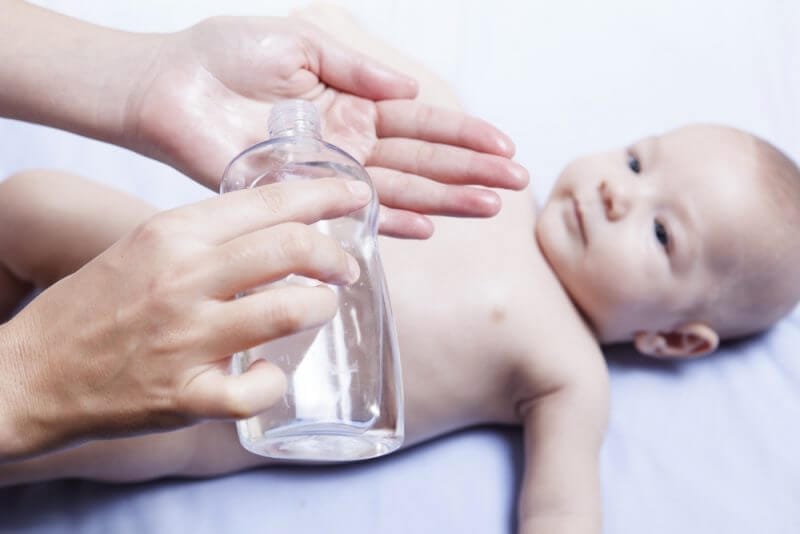
- Inexpensive baby products often contain ingredients to watch out for, such as parabens, petrolatum, mineral oil, PEG-based surfactants, synthetic fragrances, and IPBC.
- PEGs are associated with the risk of contamination by impurities like ethylene oxide and 1,4-dioxane, and low molecular weight PEGs (e.g., PEG-4) have higher skin penetration.
- Always check the ingredient list, even if it says "fragrance-free" or "paraben-free." Fragrances are often listed as "fragrance" or "parfum."
- Practical steps: Check ingredient lists, perform patch tests, choose water-only wet wipes or simple plant-derived formulations, and consult a dermatologist or pediatrician.
Baby Skin is Different from Adult Skin: Why Ingredient Checks are Essential for Baby Products
Baby lotions and wipes are often labeled as "gentle" or "for babies," leading us to use them without much thought. We initially trusted the packaging, but were surprised to find unexpected chemical substances when we looked closely at the ingredient lists. Baby skin is thin and has a higher absorption rate, requiring more caution than adult skin. Below, we've summarized key ingredients to watch out for, tips for choosing products, and practical alternatives for daily life.
Ingredients to Avoid and Why
Parabens (Methylparaben, Ethylparaben, etc.)
Parabens are widely used as preservatives. Although their acute toxicity is considered low, they are suspected of endocrine disruption (environmental hormones) and metabolic effects. Experts advise avoiding long-term exposure, especially for infants in developmental stages. They tend to be found in inexpensive products, so caution is advised if they are listed.
Polyethylene Glycol (PEG) and the Risk of Impurities
Ingredients listed as PEG-○○ (e.g., PEG-4, PEG-80) or "polyethylene glycol" enhance skin penetration. The concern lies in potential impurities like ethylene oxide and 1,4-dioxane, which can arise during manufacturing. International organizations have identified some of these as carcinogens or substances of concern. The risks should be considered, especially for products used frequently, such as those near mucous membranes or in baby wipes.
Synthetic Fragrances (fragrance / parfum)
Synthetic fragrances, used for "scenting," can be mixtures of many chemical components, including benzenes, aldehydes, and toluene, and have been reported to cause allergies and dermatitis. Since labels often only state "fragrance" or "parfum," making it unclear what's inside, it's best to choose fragrance-free options if possible. Reports from Hong Kong indicate that over half of infant lotions contained allergenic fragrances.
Iodopropynyl Butylcarbamate (IPBC)
IPBC is used as an antifungal and preservative in cosmetics. While considered safe at very low concentrations, there are reports of increasing cases of contact allergies. It's often used as an alternative preservative in products labeled "alcohol-free" or "paraben-free," making it easy to overlook if you don't check the ingredient list.
Petrolatum, Mineral Oil (paraffinum liquidum)
Petrolatum and mineral oil are petroleum-derived hydrocarbons widely used as epidermal moisturizing barriers. Reports indicate the accumulation of MOSH (Mineral Oil Saturated Hydrocarbons) in the body with long-term use, and they can sometimes irritate infants with dry skin or atopic dermatitis. Plant-based oils or squalane may be good alternatives to consider.
How to Read Ingredient Lists and a Purchase Checklist
Don't judge solely by the package's catchphrases; always check the ingredient list (INCI name). Since many names are unclear, refer to the following points.
- Labels to avoid: paraben, methylparaben, ethylparaben, propylparaben, butylparaben, PEG, polyethylene glycol, petrolatum, paraffinum liquidum, mineral oil, fragrance, parfum, iodopropynyl butylcarbamate (IPBC), etc.
- Caution: Phenoxyethanol is a commonly used alternative preservative, but some reports indicate it can be irritating to infants and certain individuals. Check the content and target age.
- Safety guidelines: Products with fewer, simpler ingredients, primarily composed of plant-derived oils (jojoba, squalane, shea butter), glycerin, and water are generally easier to understand. Organic certifications like ECOCERT and COSMOS can be helpful, but don't rely solely on certification for safety.
- Before purchasing: Always perform a patch test (24-48 hours) on the inner arm for new products. Do not apply new products extensively to the face or genital area immediately.
Practical Alternatives and Daily Tips
From our experience, switching to water-only wet wipes or wiping with wet cotton has reduced baby skin problems in some cases. For heavy soiling, we recommend using a small amount of additive-free soap followed by moisturizing.
- Baby wipes: Choose simple formulations with "water + a small amount of moisturizer," or use cotton and water as an alternative. Check for alcohol and synthetic preservatives.
- Body lotion: Choose simple formulations with jojoba oil, squalane, shea butter, or plant-derived glycerin. Fragrance-free is preferable.
- Baby oil alternatives: Consider plant oils like sweet almond oil or jojoba oil instead of mineral oil. However, be aware that coconut oil can sometimes cause irritation or clogged pores depending on the individual.
- Homemade balm: Easily made with shea butter + jojoba oil + a trace of vitamin E, but water-based products requiring preservatives are not suitable for homemade versions. Pay attention to storage and management.
Summary
Just because a product is labeled "for babies" doesn't mean it's entirely safe. Ingredients like parabens, PEGs, synthetic fragrances, IPBC, petrolatum, and mineral oil require particular attention. It's crucial to get into the habit of checking ingredient lists, choosing simple and less irritating products, and performing patch tests for new items. We were initially confused too, but our babies' skin improved significantly once we started paying attention to ingredients. Don't strive for perfection, but continue to seek information. If your child has a pre-existing skin condition or you have concerns, we recommend consulting your pediatrician or dermatologist.
Disclaimer: The information in this article is for general informational purposes only and does not constitute medical advice. Please consult a qualified healthcare professional before making any health-related decisions.