
Key Takeaways
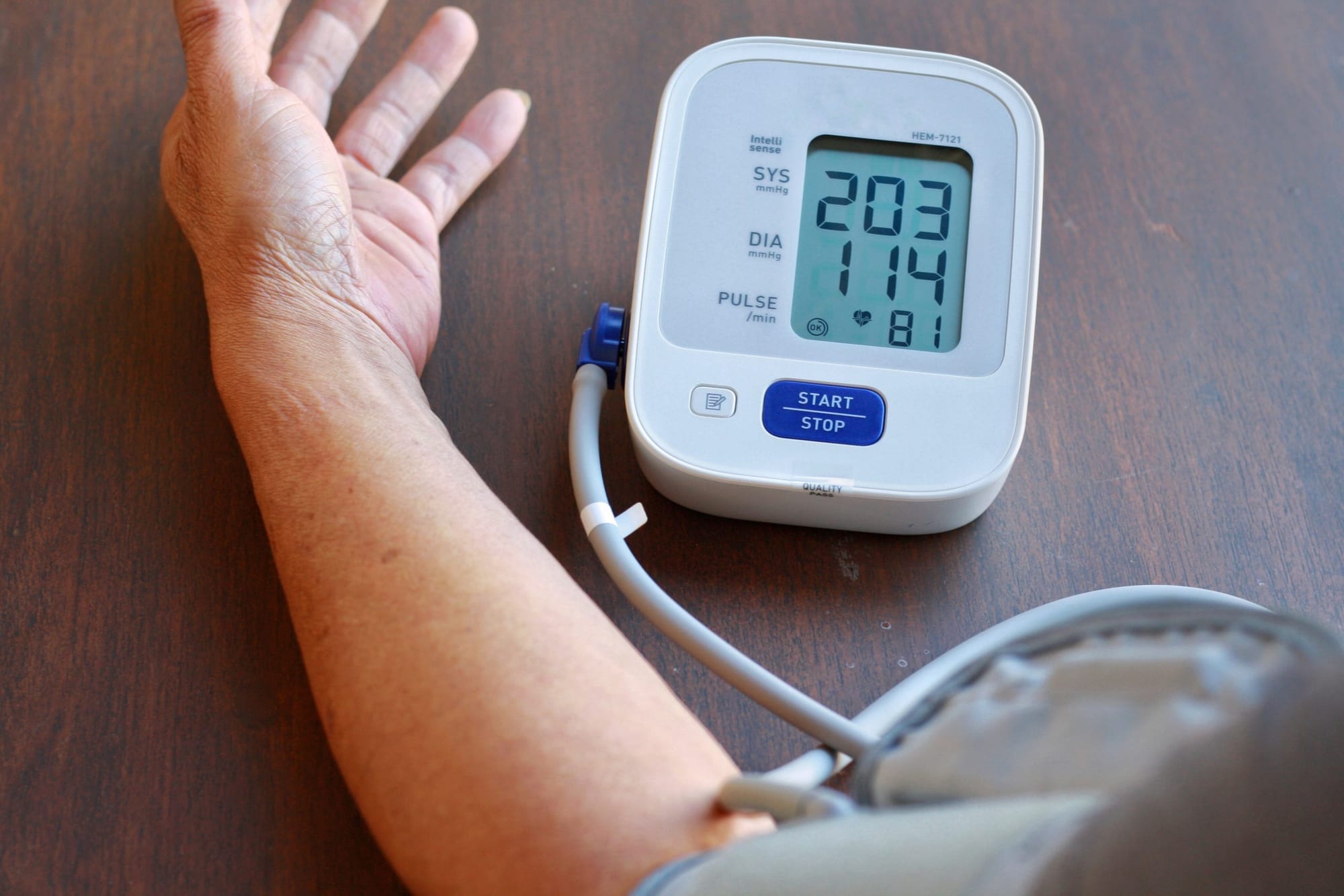
- High blood pressure, high blood sugar, and high blood lipids influence each other, increasing the risk of chronic diseases.
- HIIT, which can be effective in a short time, is highly likely to have a positive impact on blood sugar, blood pressure, and lipids (supported by meta-analyses and clinical studies).
- Salt is not "bad if there's too much"; "appropriate salt intake" based on individual differences (salt sensitivity) is important.
- Avoid fried foods, trans fats, and excessive sugar; a diet rich in vegetables and potassium, stress management, and adequate sleep are also crucial.
Introduction: How Lifestyle Changes Affect Chronic Disease Risk
In our daily lives, we may unknowingly accumulate high blood pressure, high blood sugar, and abnormal blood lipids. Have you ever been told during a medical check-up or health screening that "it's not yet at the stage for treatment, but attention is needed"? While these can be problems on their own, they often interact with each other, leading to serious chronic diseases such as myocardial infarction, stroke, and diabetic complications. This time, we will introduce easy-to-implement lifestyle measures with evidence.Why are the three (blood pressure, blood sugar, lipids) connected?
High blood pressure, high blood sugar, and high blood lipids often appear as separate issues but share common causes. Obesity, lack of exercise, excessive alcohol consumption, chronic stress, and genetic factors are often in the background, negatively affecting each other through insulin resistance, endothelial dysfunction, and chronic inflammation. This is why people with diabetes often have high blood pressure and dyslipidemia; improving them together can significantly reduce the risk of complications. In medical settings, lifestyle improvements are often the first choice, and we feel that this is an area where we can easily see changes through daily efforts.Exercise: Incorporating effective HIIT in a short time
What is HIIT and what are its effects?
HIIT (High-Intensity Interval Training) is a short-duration training that involves repeating short bursts of near-maximal effort exercise. Multiple studies and meta-analyses have shown that HIIT improves insulin sensitivity and blood sugar control, lowers blood pressure, and positively impacts blood lipids (e.g., meta-analysis by Jelleyman et al.). The appeal is that even those with limited time can start with about 30 minutes total per week. When we tried it, we found it easy to continue and felt changes in our physical condition.Simple examples for beginners
Warm-up 3 minutes → 30 seconds at full effort (sprint or burpee) → light exercise/rest 90 seconds, repeated 5-8 times → cool-down 3 minutes. Start with 2-3 times a week, checking your heart rate and physical condition without overdoing it. We recommend that those with pre-existing conditions or the elderly consult a doctor before performing.Diet: Pay attention to "appropriate salt intake" and the quality of fats and sugars
Regarding salt intake, "reducing it is not always good"; there are individual differences in salt sensitivity. National epidemiological data and reports from Lancet show that excessive salt intake is a cause of high blood pressure, but not everyone experiences the same effect. What's important is not extreme salt restriction, but an "appropriate salt intake" lifestyle that reduces hidden salt in processed foods and eating out, and uses dashi and herbs for seasoning at the table. Interestingly, animal experiments have also reported cases where higher sodium levels affect metabolism, highlighting the importance of individualized approaches (e.g., research by Takagi et al.). On the other hand, fried foods, trans fats, and excessive sugar tend to worsen obesity, dyslipidemia, and insulin resistance, so consume them in moderation. Instead, it's good to increase intake of blue fish, nuts, olive oil, vegetables, fruits, and whole grains. Clinical data also shows that the DASH diet and Mediterranean diet are effective in reducing blood pressure and cardiovascular risk.Stress, Sleep, and Others: Lifestyle Habits to Balance Mind and Body
Chronic stress and lack of sleep negatively affect blood pressure and blood sugar through the autonomic nervous system and hormones. Studies show that simple breathing exercises and meditation are effective in reducing stress and stabilizing blood pressure, and we also found that making short meditations a daily habit helped us feel calmer and manage our physical condition more easily. In addition to moderate alcohol restriction, smoking cessation, and weight management are also important. By addressing these comprehensively, we can expect improvements in all three areas.Summary
Since high blood pressure, high blood sugar, and high blood lipids influence each other, reviewing the entire lifestyle, including exercise (especially efficient exercises like HIIT), diet (revisiting appropriate salt intake and quality fats/sugars), stress management, and sleep improvement, is effective. What we felt after trying it was that accumulating "contrivances that can be continued" is more effective than doing extreme things. Please start little by little with what you can do. If necessary, consult with a doctor or specialist and change your habits without overdoing it.Disclaimer: The information in this article is for general informational purposes only and does not constitute medical advice. Please consult a qualified healthcare professional before making any health-related decisions.