
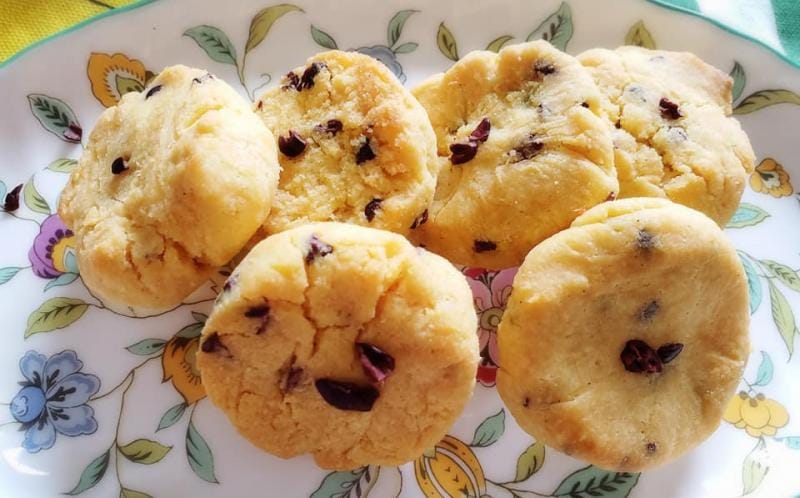
- Gluten-free and relatively low-carb cookies made with coconut flour and coconut oil.
- The crunchy texture and roasted bitterness of cacao nibs add a great accent.
- Coconut flour is highly absorbent, so it's perfectly fine if the dough is a bit crumbly and hard to bring together.
- Baking and cooling times directly affect the texture. We highly recommend letting them cool completely before enjoying.
- They keep for 2-3 days at room temperature, or about a month in the freezer.
Coconut & Cacao Nib Cookies — Making Healthy Snacks with Ease
Let me introduce you to these gentle, gluten-free cookies made with coconut flour and coconut oil. When we tried making them ourselves, the moist, crumbly texture paired beautifully with the crunchy accent of cacao nibs, making them the perfect companion for coffee or herbal tea. It's a simple process of just mixing and baking, so I highly recommend this recipe even if you're a beginner at baking.
Ingredients (Makes about 10-12 cookies)
- Coconut flour: 60g
- Coconut oil: 60g (melt in a water bath if solid)
- Lakanto (or your preferred sweetener): 30g
- Eggs: 2
- Salt: 1/4 tsp
- Baking powder: 1/4 tsp
- Vanilla extract: 2-3 drops (optional)
- Cacao nibs: 1 tbsp
Note: Coconut flour is highly absorbent, so even a small amount will firm up the dough nicely. If you plan to completely substitute it with another flour (like almond flour), you'll need to adjust the ratios.
Instructions (Simple Steps)
- Preheat your oven to 180°C (350°F). Line a baking sheet with parchment paper.
- Crack the eggs into a bowl and beat them well, then add the melted coconut oil and mix. If your coconut oil is solid, lightly melt it beforehand using a water bath or microwave (be careful not to overheat it).
- Add the coconut flour, Lakanto, salt, baking powder, and vanilla extract to the bowl, and fold gently with a rubber spatula. Finally, fold in the cacao nibs until evenly distributed. Don't worry if the dough feels a bit crumbly and hard to bring together.
- Using plastic wrap, divide the dough into 20-25g portions. Roll them into balls in the palms of your hands, then press lightly to flatten them. Arrange them on the baking sheet with some space in between.
- Bake in the preheated oven for 15-17 minutes. They are ready when the surface is lightly browned and doesn't crumble when gently touched. Once baked, transfer them on the parchment paper to a wire cooling rack and let them cool completely before removing (cooling helps settle that lovely crumbly texture).
Tips, Variations, and Storage
Tips (For foolproof results)
- Because coconut flour absorbs so much liquid, the dough will be relatively moist as long as the ratio of eggs and oil is correct. Rather than adding more flour, it's often easier to handle if you add an extra egg or a little more oil.
- If the oil is too hot, it will cook the eggs, so it's best to let the melted coconut oil cool to about body temperature before mixing.
- Overbaking causes dryness. Keep an eye on them and take them out once the surface sets and begins to brown.
Variation Ideas
- Adding chocolate chips or chopped nuts will enrich both the texture and flavor.
- Mixing in a tiny bit of cinnamon or orange peel changes the aroma for a fun twist.
- If you have an egg allergy, you can substitute with flaxseed meal mixed with water, though you'll need to adjust the texture and ratios.
Storage and Shelf Life
- Room temperature: About 2-3 days in an airtight container (varies depending on humidity and temperature).
- Refrigerator: About 5-7 days (they may harden, so bringing them back to room temperature before eating will restore the texture).
- Freezer: About 1 month in a freezer bag. When ready to eat, thaw naturally or warm them up briefly in a toaster oven to bring back their deliciousness.
A Word on Nutrition and Ingredients
Coconut flour is gaining attention as a low-carb flour rich in dietary fiber, making it great for baking satisfying treats. On the other hand, coconut oil is relatively high in saturated fats, so please adjust your intake considering your overall dietary balance. Cacao nibs offer a delightful bitterness and roasted aroma, and are popular for containing nutrients like magnesium and polyphenols. In our experience, even with such simple ingredients, these cookies are incredibly satisfying and make a wonderful choice when you're feeling a little hungry.
Summary
These gluten-free cookies made with coconut flour and coconut oil are a delightful treat where you can enjoy a moist, crumbly texture alongside the crunchy accent of cacao nibs. The recipe is incredibly simple, and it's easy to customize with different ingredients or toppings to suit your mood or needs. From our testing, we highly recommend letting them cool completely after baking to stabilize their wonderful texture.
Disclaimer: This article is for general informational purposes only and is not intended as medical advice. If you have allergies, specific medical conditions, or require personalized nutritional management, please consult a specialist such as a doctor or registered dietitian.