
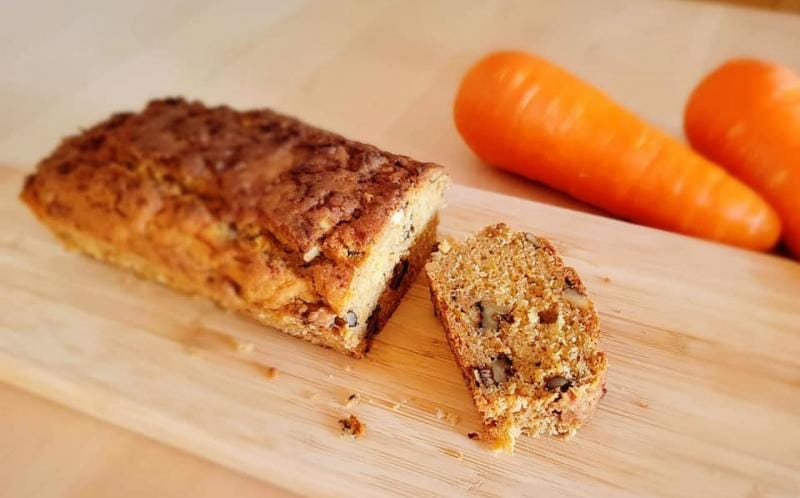
- A moist, flourless, gluten-free carrot cake. Coconut flour adds a lovely nutty aroma and extra dietary fiber!
- Coconut oil gives it a wonderful flavor, but since it tends to solidify, the trick is to melt it before adding it in.
- Coconut flour is highly absorbent, so we only need a little bit. The moisture from the eggs and carrots creates the perfect balance.
- Feel free to customize it with your favorite nuts, spices, or frosting. It keeps well in the fridge for 3 to 4 days, or you can freeze it for up to a month.
All About Our Carrot-Packed Gluten-Free Carrot Cake
This is a wonderful flourless carrot cake recipe where you can truly enjoy the natural sweetness of carrots and the comforting aroma of cinnamon. By using coconut flour and coconut oil, we've added a subtle tropical hint that makes the cake feel incredibly light. When we tested this in our kitchen, we found that even a small amount of coconut flour makes it very satisfying, adding much more depth to the flavor and texture than using rice flour alone.
Ingredients (For 1 Loaf Pan) & Prep Tips
Basic Ingredients
- Carrots: 100g (about 1 medium carrot, coarsely grated)
- Coconut flour: 20g
- Rice flour: 100g
- Eggs: 2
- Lakanto (monk fruit sweetener): 70g (You can also use regular sugar. Beet sugar or cane sugar work beautifully too!)
- Baking powder: 1 tsp
- Baking soda: 1/2 tsp
- Salt: A pinch
- Cinnamon: 1/2 tsp, plus a dash of nutmeg
- Coconut oil: 70g (melted)
- Walnuts: 40g (chopped)
Prep Tips
Since coconut flour absorbs much more liquid than regular wheat flour, we keep the amount small. The moisture from the eggs and carrots will bring the batter together perfectly. If your coconut oil has solidified, just melt it gently in a water bath or microwave before adding it so it mixes in smoothly. I highly recommend grating the carrots coarsely—it leaves a lovely texture that makes the cake so delicious!
How to Make It (Step-by-Step & Baking Tips)
- Preheat your oven to 180°C (350°F). Line your loaf pan with parchment paper so the cake will be easy to lift out later.
- Crack the eggs into a bowl and beat them well with a whisk. Add the Lakanto and salt, and mix until it's no longer grainy.
- Add the melted coconut oil in 2 to 3 batches, mixing well after each addition. Emulsifying it evenly helps prevent uneven baking.
- Fold in the grated carrots gently using a rubber spatula.
- Sift together the coconut flour, rice flour, baking powder, baking soda, cinnamon, and nutmeg. Add them to the bowl and mix just until the flour streaks disappear. The key here is not to overmix!
- Stir in the chopped walnuts, pour the batter into your prepared pan, and smooth out the top.
- Bake at 180°C (350°F) for about 40 minutes. It's ready when a bamboo skewer inserted into the center comes out clean. If the top is browning too quickly, simply cover it loosely with aluminum foil.
- Once baked, let it sit in the pan for about 10 minutes, then transfer it to a wire rack to cool completely. Letting it cool makes it much easier to slice and allows the flavors to settle beautifully.
In our testing, we noticed that baking times can vary depending on your oven's quirks and the type of pan you use, so keep an eye on it after the 30-minute mark. If the center still feels a bit soft, just bake it for an additional 5 to 10 minutes to be safe.
Variations, Substitutions & Storage Tips
Fun Variations
- Frosting: A light frosting made by mixing cream cheese with a little yogurt or honey pairs wonderfully with this cake. If you want to keep the carbs down, Greek yogurt mixed with a splash of lemon juice is incredibly refreshing!
- Nut Swaps: Feel free to swap the walnuts for almonds or pecans. If you're dealing with nut allergies, you can omit the nuts entirely and use seeds like pumpkin seeds instead.
- Sweetener Adjustments: Lakanto is great for keeping calories low, but if you switch to sugar or maple syrup, you might need to adjust the liquids slightly (adding just a touch more rice flour usually does the trick).
A Note on Substitutions
If you try to substitute coconut flour for wheat flour in equal amounts, your cake will turn out extremely dry. Almond flour can be used as a 1:1 substitute, but keep in mind that it will increase the calories and oil content, which might change the baking time and texture. If you want to make this vegan by omitting the eggs, you could try using a flaxseed egg, tofu, or mashed bananas, but the texture will change significantly, so I definitely recommend doing a test batch first!
How to Store Your Cake
- Room Temperature: If you plan to finish it within half a day, just wrap it tightly in plastic wrap to prevent it from drying out.
- Refrigerator: Store it in an airtight container for 3 to 4 days. If you've added frosting, keeping it in the fridge is the safest bet.
- Freezer: Slice the cake, wrap each piece individually in plastic wrap, and store them in a zip-top bag for up to a month. Let it thaw naturally, then give it a quick toast to bring back that fresh-baked flavor!
Wrapping Up
This gluten-free carrot cake, made with a blend of coconut flour and rice flour, has a wonderfully moist and light texture that makes it absolutely perfect for tea time. The aroma of coconut oil and the kick of cinnamon spice add such a great accent, while the walnuts give it a satisfying crunch. We highly recommend baking the basic recipe first, and then having fun adjusting the nuts, frosting, and sweetness to your liking. With just a few little tweaks, you can enjoy a different, delicious variation every time, so please give it a try in your own kitchen!
Disclaimer: This article is for general informational purposes only and is not intended to provide professional medical or nutritional diagnosis or treatment. If you have food allergies or specific medical conditions, please consult with a doctor or registered dietitian before trying this recipe.