
Key Takeaways:
- Pesticides tend to remain on the surface of fruits and vegetables, and some may penetrate the flesh.
- The skin is rich in nutrients, but also carries the risk of pesticide residue and can be difficult to digest for some.
- Washing thoroughly, soaking in baking soda water, and heating can help reduce risks.
- Consider peeling thin-skinned fruits on the "worst list" for children, pregnant women, or those with weakened immunity.
- For tomatoes, washing well or blanching to remove the skin is recommended if concerned about pesticides when eating raw.
Many people eat fruits and vegetables with the skin on, but some are concerned about pesticide residues. This article, based on scientific knowledge, provides easy-to-understand practical solutions.
The relationship between pesticide residues and skin - Which crops are at high risk?
Pesticides tend to remain in high concentrations on the surface, or skin, of crops, and some of them may penetrate into the fruit pulp.Nectarines, apples, grapes, cherries, pears, and tomatoes top EWG's list of worst pesticide residues, based on data from the U.S. Department of Agriculture and FDA.Thick-skinned avocados and pineapples tend to allow pesticides to remain on the skin, but it is difficult for them to penetrate into the pulp, while thin-skinned fruits tend to have pesticides that remain in the pulp as well.
Advantages and disadvantages of eating the skin
Benefits: Rich in nutrients
Dietary fiber, polyphenols, and vitamins are often concentrated in the skin; for example, the skin of apples and potatoes is rich in vitamins, potassium, and folic acid.In many cases, it is nutritionally advantageous to have the whole skin on, and it also has advantages in terms of antioxidants and texture.
Disadvantages: Pesticides and digestive issues
On the other hand, there is a risk of ingesting pesticide residue, and the skins of tomatoes and other foods are difficult to digest and can be irritating to people with sensitive stomachs.Some tomato skins contain ingredients such as lectins and tomatine, which may cause discomfort to some people depending on the individual, so those who are sensitive should be careful.
Specific measures to eat safely
Tips for washing and preparation
- Rinse thoroughly under running water: Rinse hard fruits with a vegetable brush.
- Soaking in baking soda water for a short time: There is research that shows that pesticides on the surface can be removed more easily if you soak it in baking soda water and then wash it with running water.An easy method to practice at home is to soak 1 teaspoon of baking soda in 1 liter of water for a few minutes.
- Cooking even in thin skins: Cooking or breaking the skin can increase the absorption of some ingredients (e.g. lycopene) and at the same time reduce the risk of microorganisms on the surface.
Guidelines for when to peel
- Consider peeling thin-skinned fruits that are on the worst list (apples, pears, grapes, cherries, tomatoes, etc.), especially if you are a small child, pregnant woman, or have a weakened immune system.
- Avoid potatoes that have turned green, including the skin, as they may contain solanine (a toxic alkaloid), and cut off any sprouts or green parts.
- Peel and eat foods that have thick skins and are not normally eaten (pineapple, avocado skins, etc.)
What to do with tomato skin?Points to pay particular attention to
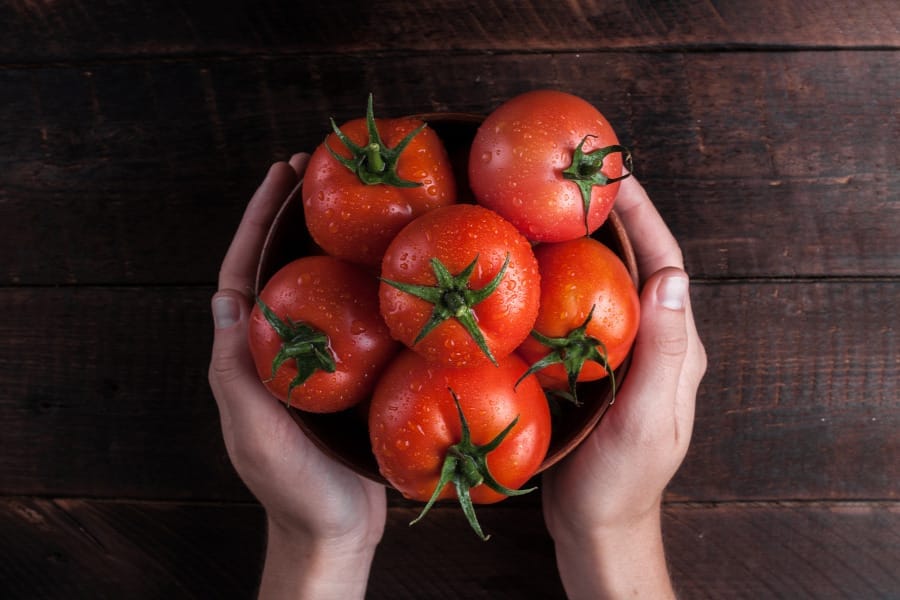
In Japan, tomatoes are often eaten with the skin on, but tomatoes are sometimes on the worst list, as pesticides can easily penetrate through the thin skin and into the pulp.In terms of nutrition, lycopene and beta-carotene are also abundant in the fruit pulp, and their absorption rate increases when heated, so the presence or absence of the skin is not so important when making into sauces or heated dishes.When eating it raw, wash it well under running water, and if you are concerned about it, we recommend that you simply remove the skin by blanching it (soaking it in boiling water for a few seconds and then removing it in cold water).When we tried it, we found that boiling it softened the texture and made it easier to eat.
summary
It is realistic to decide whether to peel or not based on the balance between ``nutrition'' and ``risk (residual pesticides and digestibility).''Thick-skinned fruit tends to have less penetration of pesticides into the pulp even if the skin is not peeled, and thin-skinned fruits and crops on the worst list may be safer if you consider washing or peeling them.If you take simple measures such as soaking food in baking soda solution, brushing it, boiling it in hot water, and cooking it, you can enjoy it safely while preserving as much nutrition as possible.After peeling the skin, we recommend using it to avoid waste, such as composting it.We have also felt more secure just by changing small habits in our daily lives, so please try them out, starting with the ones that interest you.
Disclaimer: This article is for general informational purposes only and does not constitute medical advice. Please consult a qualified healthcare professional before making any health-related decisions.