
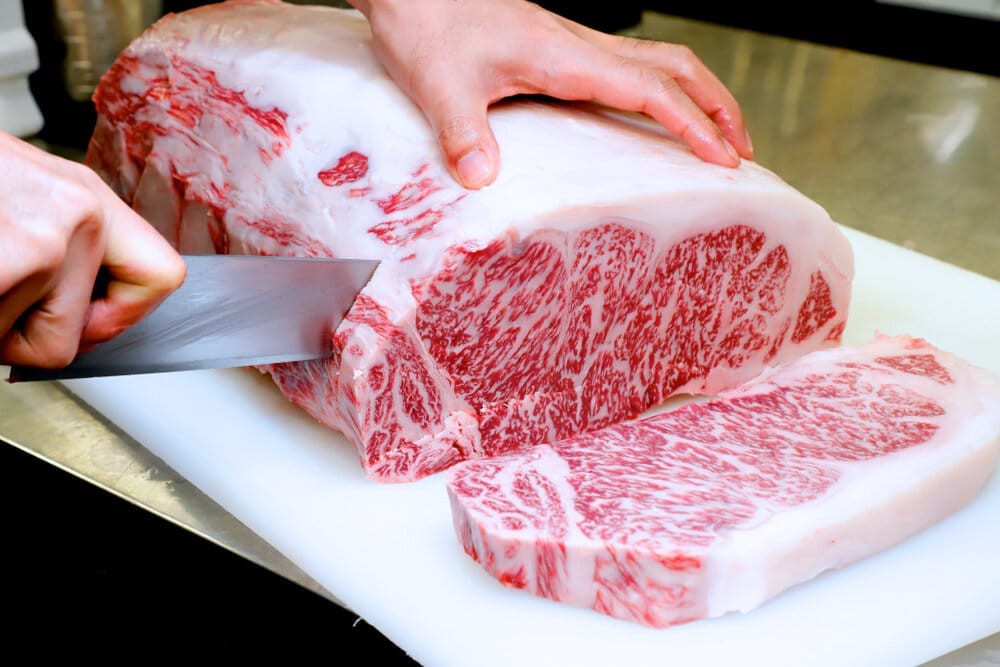
- While Wagyu beef is rich in oleic acid, its signature marbling means it's also high in total fat and calories.
- Feed for imported beef varies by country. Australia offers some grass-fed options, while the US predominantly produces grain-fed beef, mostly relying on corn.
- Risks associated with corn and soy feed, such as GMOs, herbicides (glyphosate), and mold toxins (mycotoxins), are a subject of ongoing debate. It's important to check the regulations and inspection results of each country.
- When it comes to health, "portion size and cooking method" are key. An occasional splurge is perfectly fine, but be mindful of how often you eat it and how it's cooked.
Is It Worth the Splurge? Separating the "Taste" and "Health" of Wagyu
Those beautiful, marbled cuts of beef you see at the supermarket or in restaurants are certainly eye-catching, and many of us probably think, "Let's treat ourselves to some Wagyu for a change." While the richness in flavor is undeniable, from a health perspective, we can't simply label it as strictly "good" or "bad." When our team actually did a taste test comparing beef from several different regions, we found that although the flavor and melt-in-your-mouth fat were exceptional, we definitely felt a heavy sense of fullness and caloric density afterward. Here, we'll break down the facts in an easy-to-understand way, focusing on feed, safety, and the characteristics of the fat.
Differences in Feed and the Reality of Imported Beef
Much of the beef consumed in Japan is imported, primarily from Australia and the United States. While Australia does have grass-fed beef raised mostly on pasture, a large portion of their export beef is grain-fed, often using barley, wheat, and sorghum. On the other hand, in the US, it is common to feed cattle corn, soy, and silage, with mixed feed used depending on the region and producer. Wagyu, defined by Japanese bloodlines (such as Japanese Black), is typically raised on a combination of feed including rice straw, corn, and wheat bran.
Risks to Consider Together: GMOs, Glyphosate, and Mycotoxins
When it comes to feed like corn and soy, GMO (genetically modified organism) crops are frequently used, especially in US beef. US statistics show that the vast majority of corn produced is GMO and is widely distributed for animal feed. While organizations like Japan's Ministry of Agriculture, Forestry and Fisheries and the FDA state there is little clear evidence that GMO components are detected in the meat of livestock fed on GMO feed, the debate over herbicide (glyphosate) residue continues. Studies in the Journal of Animal Science have explored the detection of feed-derived residues, meaning we can't say it is completely risk-free.
Additionally, corn is highly susceptible to contamination by mycotoxins (mold toxins) such as aflatoxins, and it has been pointed out that contaminated feed could potentially affect the human body through the livestock. Organizations like food hygiene research institutes have also issued warnings about feed-derived risks. The source of imports, production traceability, and inspection systems are all crucial points to consider when making your choice.
The "Pros" and Little Pitfalls of Marbling: Oleic Acid and the Effects of Heat Cooking
Wagyu fat is known for being relatively high in oleic acid (a monounsaturated fatty acid), which is expected to offer benefits like lowering bad cholesterol in the blood. In fact, that smooth mouthfeel and the way the fat just melts are thanks to oleic acid. However, there are some pitfalls. First, marbling means a high total fat content and high calories. If you are watching your weight or are concerned about cardiovascular risks, you'll need to limit your portion sizes. Also, cooking high-fat cuts at high temperatures makes it easier to produce heterocyclic amines (HCAs) and polycyclic aromatic hydrocarbons (PAHs), which raise concerns about carcinogenicity.
Cooking Tips
- Cook quickly over high heat, or slowly at a low temperature, to minimize fat oxidation.
- Avoid overcooking or burning the meat, and reduce fat drippings (for example, by catching the fat with aluminum foil when grilling).
- Pair your meat with plenty of vegetables and dietary fiber to help regulate post-meal blood sugar and feelings of fullness.
Conclusion
Wagyu is delicious and contains high-quality fats like oleic acid, but it's important to consider your portion size, cooking methods, and feed-derived safety factors (such as GMOs, herbicides, and mycotoxins) all together. Our takeaway as the geefee team is that while an "occasional splurge" is perfectly fine, if you eat it frequently or have health concerns, we encourage you to check the origin and feed labels (like grass-fed, organic, or traceability) and be mindful of how you cook it. For peace of mind, great options include enjoying a small amount of trusted domestic Wagyu or choosing imported beef with clear quality labeling (such as non-GMO or grass-fed).
Disclaimer: The information in this article is for general informational purposes only and does not constitute medical advice. Please consult a qualified healthcare professional before making any health-related decisions.