
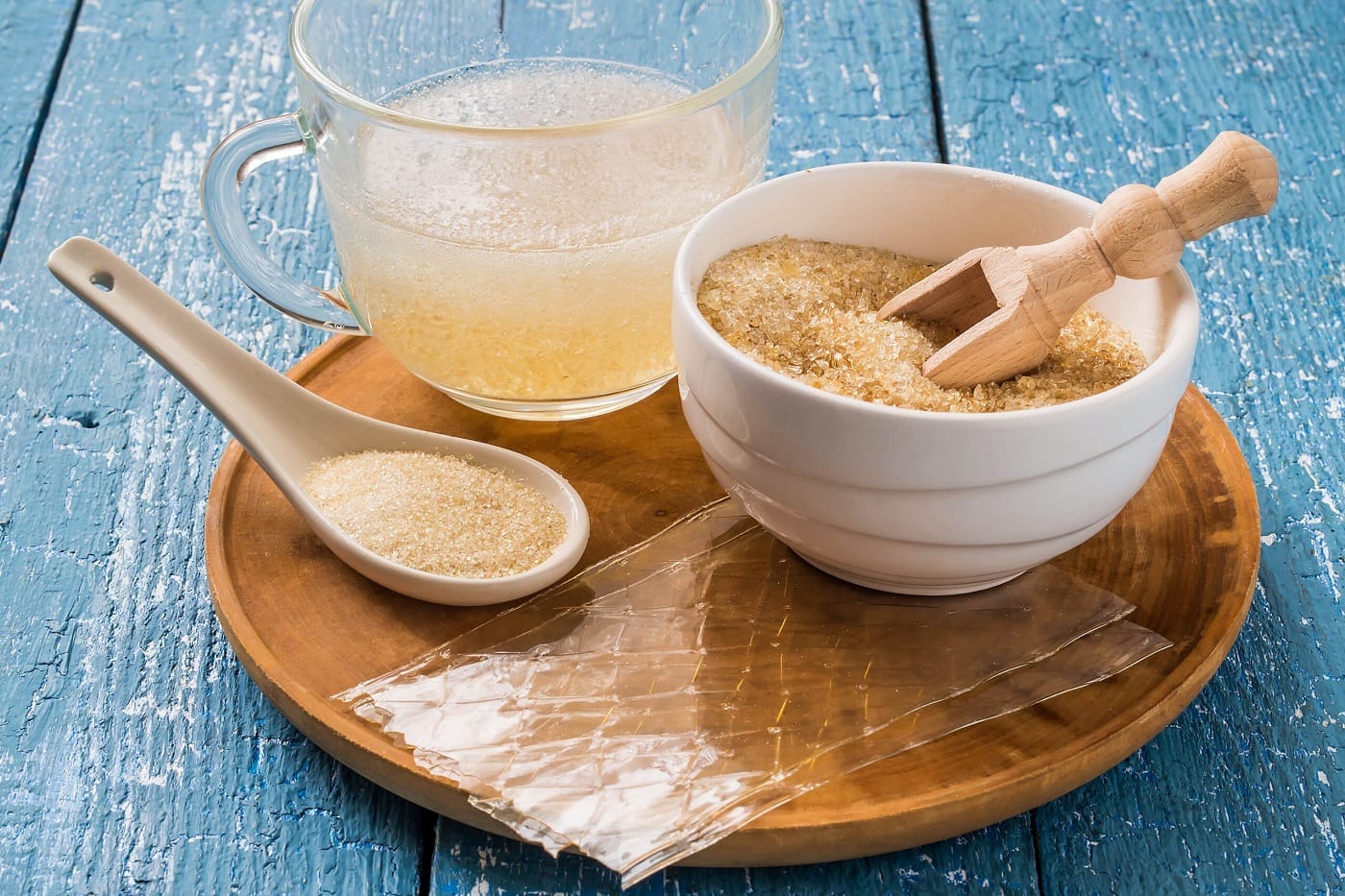
- Gelatin is derived from heat-degraded collagen, with almost identical nutritional components. It is rich in amino acids like glycine.
- Many studies and testimonials show improved sleep quality and reduced joint pain, making it an easy ingredient to incorporate before bed or as a daily habit.
- There are various ways to consume it, such as dissolving it in coffee or tea, making gelatin butter coffee, or using it interchangeably with agar. Be sure to check the quality labels (origin of raw materials and rearing methods).
- Vegetarian options like agar derived from seaweed can be alternatives, but each has its pros and cons, so it is recommended to choose according to your purpose.
Gelatin Basics and Its Surprisingly Useful Reasons
When you hear gelatin, many people probably think of sweets like jellies and puddings, but it's actually a food worth noting for its health benefits. Gelatin is a protein obtained by heating and breaking down collagen, and it's rich in amino acids like glycine, proline, and hydroxyproline, which are involved in skin and joint health. When we actually tried it, just a small amount before bed made us feel less tired the next morning, and continuous use sometimes alleviated joint discomfort.
Differences Between Gelatin and Collagen - Main Components
Gelatin Made from Collagen
Collagen is the main component of animal skin, bones, and tendons, and gelatin is extracted by heating it. The components are almost the same, with a characteristic amino acid balance, for example, glycine accounts for about 30% of the total. The major difference is in their physical properties: collagen is non-gelling, while gelatin gels, making it easy to use in cooking.
Main Nutrients and Characteristics
- Glycine: May be involved in improving sleep quality and nighttime relaxation (a 2007 study on glycine intake reported improved sleep).
- Proline and Hydroxyproline: Serve as building blocks for connective tissue, contributing to joint and skin health.
Expected Health Benefits — Science and Testimonials
Improved Sleep
There are studies showing that glycine intake before bed improved subjective sleep quality, and many testimonials report that drinking gelatin dissolved in tea led to 'better sleep onset' and 'a clear head the next morning.' Research generally suggests that intake 30-60 minutes before bedtime is effective.
Joint Pain and Range of Motion
Many people report reduced joint pain and back pain by regularly consuming gelatin or collagen. Randomized controlled trials have also shown examples of improved joint symptoms, with the advantage that it can be easily incorporated compared to expensive supplements.
Appetite Suppression and Reduction of Sugar Cravings
Glycine has been reported to help alleviate sugar cravings, potentially serving as support for curbing snacks and during carbohydrate restriction. We also found that drinking a hot beverage with gelatin helped calm us when we felt a little hungry.
How to Incorporate It - Recommended Recipes and Precautions
Easy Recipes
- Gelatin Tea: Add 1 tablespoon (approx.) of gelatin to a cup, soften it with a small amount of cold water, then pour in hot tea and dissolve well. Recommended before bedtime.
- Gelatin Butter Coffee: Add 1 teaspoon to 1 tablespoon of butter and gelatin to hot coffee, then blend with a hand blender. It's satisfying and suitable for morning energy replenishment.
- Preparation Tip: Softening gelatin in cold water (blooming) helps prevent lumps. If using in cold drinks, soften it in a separate container first before adding.
Recommended Intake and Timing
Based on research and practical examples, for bedtime, it's realistic to aim for about 3g of glycine equivalent (approximately 1-2 tablespoons of gelatin). For joint purposes, continuous daily intake is important.
Precautions
- Since it's animal-derived, if you are vegetarian or avoid it for religious reasons, consider plant-based alternatives like agar or kanten.
- If you have allergies or specific medical conditions, consult a doctor. Generally, side effects are few, but excessive intake may cause indigestion.
How to Choose Quality and Alternatives like Agar
Many commercially available gelatin products only list 'gelatin' as an ingredient, making it unclear which animal it's derived from. Products explicitly stating grass-fed, non-GMO, or glyphosate-free origins offer peace of mind, but there's no scientific data definitively proving 'higher efficacy.' It's best to choose based on a balance of cost and trustworthiness.
Agar (seaweed-derived) is a plant-based gelling agent suitable for vegetarians, but there are reports of trace heavy metals in seaweed-derived ingredients, so caution regarding sources and origins is necessary for long-term, large-quantity intake. EFSA's re-evaluation of agar (agarose) also mentions safety, so it's recommended to choose according to your purpose and use.
Summary
Gelatin is not just a confectionery ingredient; it's a food that can offer benefits like improved sleep quality and reduced joint discomfort due to amino acids like glycine. We, too, have incorporated it into our daily routine and felt tangible effects. Start with a manageable amount, and incorporating it before bed or with breakfast makes it easier to continue. Check the quality labels and incorporate it according to your purpose (sleep, joints, satiety maintenance).
Disclaimer: The information in this article is for general informational purposes only and does not constitute medical advice. Please consult a qualified healthcare professional before making any health-related decisions.