
Key takeaways
- Farmed fish and wild fish aren’t “completely different”—their nutritional content, smell, and lipid composition vary with feed and aquaculture methods.
- Farmed fish raised on formulated feed tend to have higher omega‑6 (linoleic acid) and relatively less omega‑3 (DHA/EPA), particularly in species like yellowtail.
- Levels of antibiotics and environmental pollutants (PCBs, dioxins, heavy metals) can differ greatly depending on the place of origin and aquaculture management. There are reports of high antimicrobial use in the Asia-Pacific region.
- Rather than simplifying it to “farmed = bad” and “wild = good,” it’s important to consider origin information, certifications, and species, and to eat a balanced variety.
Introduction: They may look alike, but their differences affect nutrition, too.
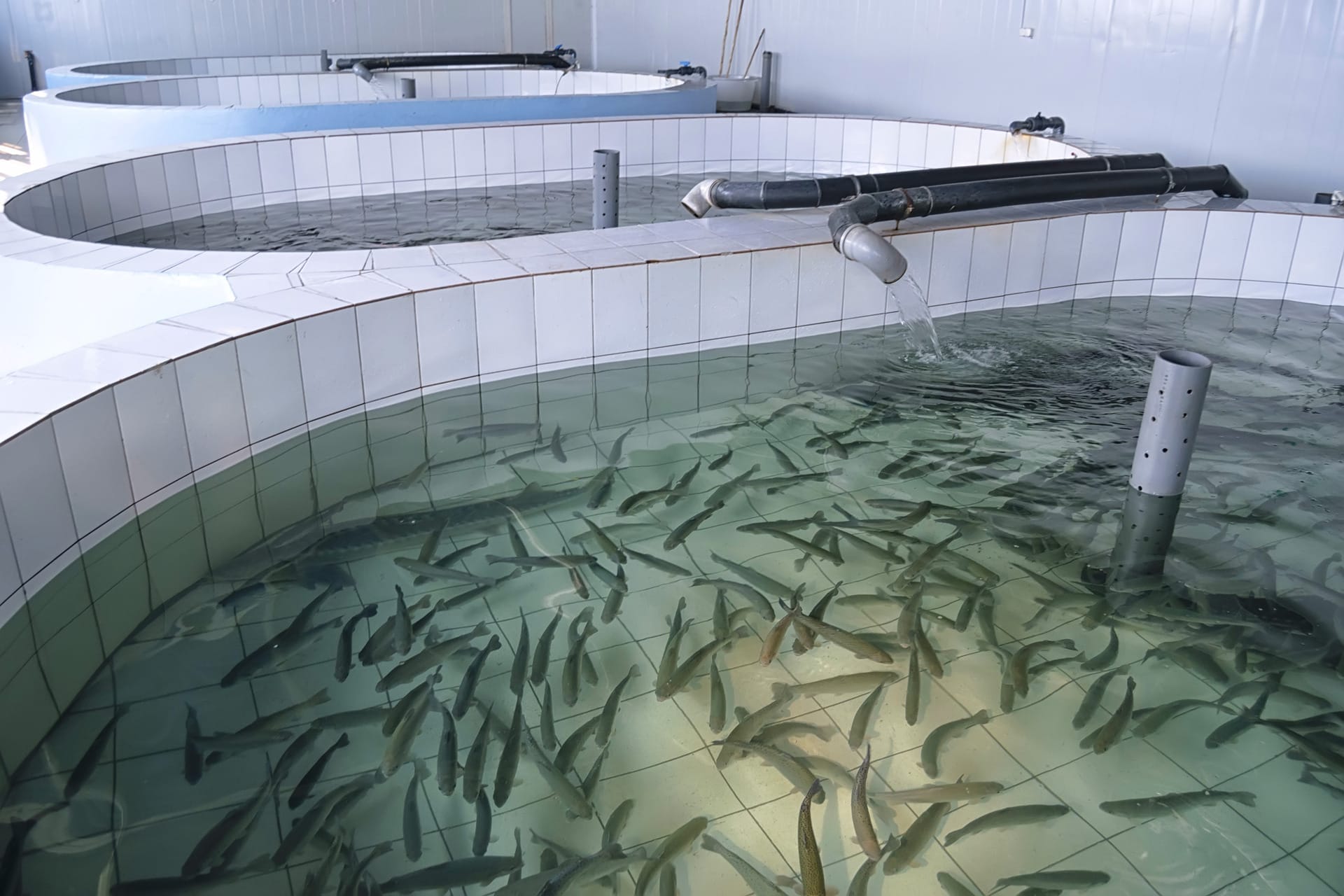
When we see "farmed" and "wild" fish side-by-side at the supermarket, it's often tempting to choose based on price alone. While they might look similar, the truth is that their feed and rearing methods can significantly alter the type of fats, their odor, and even the chemical substances they contain. With predictions that farmed fish will account for 60% of consumed fish by 2030, the impact of our daily choices on health is growing. Here, we'll delve into the differences in omega fatty acids, antibiotics, and contaminants, sharing insights from our own experiences.Differences between Omega-3 and Omega-6 fatty acids
One of the most evident differences between farmed and wild fish lies in their fatty acid composition. Fish are naturally excellent sources of omega-3s (EPA and DHA), but farmed fish often consume formulated feeds containing soybeans and vegetable oils, leading to a tendency for higher omega-6 (linoleic acid) levels. For instance, reports indicate that farmed yellowtail can have several times more omega-6 than wild yellowtail, and wild fish often show higher DHA levels (according to analyses from the Ministry of Agriculture, Forestry and Fisheries, among others). However, in the case of farmed tuna, where diets often consist mainly of raw bait like sardines and squid, the omega-3/6 ratio might not show a significant difference. From our own taste tests, we've often found that fish raised on formulated feeds tend to be richer and have a "heartier" feel, while wild fish offer a firmer, "lighter" taste. From a nutritional perspective, if you're looking to maximize your omega-3 intake, it's wise to consider both the type of fish and its origin.Regional Differences in the Risks of Antibiotics and Contaminants
In aquaculture, antibiotics are sometimes used to prevent infections, and the usage varies significantly by country and management practices. Research summarized in Scientific Reports indicates that the majority of antimicrobial use in global aquaculture occurs in the Asia-Pacific region, with predictions of increased future use. Furthermore, there have been reports of significantly higher antibiotic use in Chilean salmon compared to Norwegian salmon, highlighting the substantial regional disparities (refer to reports from Time and various national regulatory authorities). Moreover, PCBs and dioxins tend to accumulate in fat, and if feed ingredients are sourced from contaminated areas, these substances can remain in farmed fish fat. Mercury, on the other hand, tends to accumulate in large migratory wild fish, raising concerns for species like tuna. Investigations in India have reported the detection of heavy metals and pesticides in some fish farms, which can create a vicious cycle of infection. There have also been past instances where imported products containing unauthorized drugs were stopped at customs and quarantine, demonstrating how the presence or absence of legal regulations and monitoring can alter risks.Smart Ways to Choose and Everyday Tips
Here are the points we keep in mind:- Check the place of origin and certifications: labels like ASC (Aquaculture Stewardship Council) and MSC (Marine Stewardship Council) are good indicators.
- Diversify your choices: Don’t rely on the same fish every time—include small oily fish such as sardines, mackerel, and horse mackerel, as well as shellfish, to spread out the risk.
- Children and pregnant women should avoid high-mercury fish: be cautious with large tuna and marlin (please refer to your country’s consumption guidelines).
- What processing and cooking can do: Fat-soluble contaminants that tend to remain in the skin can be reduced to some extent by removing the skin, but antibiotics are not easily removed through cooking.
- Choose a trusted seller: Opt for shops that clearly disclose traceability in their distribution/supply chain to give you greater peace of mind.
Summary
The differences between farmed and wild fish extend beyond taste to nutritional components (omega-3/6 ratio), antibiotics, and contaminant risks. However, these differences are not uniform and are heavily influenced by the type of feed, aquaculture management, and regional regulations. In our daily lives, by checking certifications and origin information and rotating the types of fish we consume, we can enjoy the benefits while mitigating risks. As we've personally experienced through taste comparisons, it's not always the case that "wild is always best"; rather, it's about wisely choosing based on individual conditions.Disclaimer: The information in this article is for general informational purposes only and does not constitute medical advice. Please consult a qualified healthcare professional before making any health-related decisions.