
Key Points
- China uses a large amount of pesticides and often ranks high in violations for pesticide residues.
- Inspection rates at quarantine stations are low (about 8%), so some products may reach the market without being detected.
- Many Chinese products are used for eating out and processing, so origin labels are often not visible in supermarkets.
- Environmental risks like heavy metal contamination have been reported, but measures such as thorough washing, proper heating, and checking origin/certification can reduce risk.
Are Chinese vegetables really that bad? —First, let's get the facts straight.
I think many people feel a little uneasy about Chinese products. We also feel this when conducting interviews and shopping, and this time we have summarized the facts and ways to deal with them in an easy-to-understand manner. The key is to "understand the risks without completely denying them." Data from the Ministry of Health, Labor and Welfare and the Ministry of Agriculture, Forestry and Fisheries has also reported that the amount of pesticides used is high and that quarantine standards are conspicuously exceeded, but this does not mean that all Chinese vegetables are dangerous.Actual status of pesticide usage and pesticide residue testing
Statistics show that China and other Asian countries use a higher amount of pesticides than other countries in the world. In particular, it is true that some pesticides, such as chlorpyrifos, which are regulated in Europe and some American states, are still in use in some countries. Although there have been reports of cases in which products exceeding standards were found during quarantine at the time of import, care must be taken that the inspection rate for all imports is low at around 8%, and there is a possibility that products may bypass inspection and reach the market. Even in the supermarkets we checked in the past, we saw many raw materials from China that were distributed in large quantities for processing and freezing.Which vegetables should you be careful about? Distribution mechanisms and hidden risks
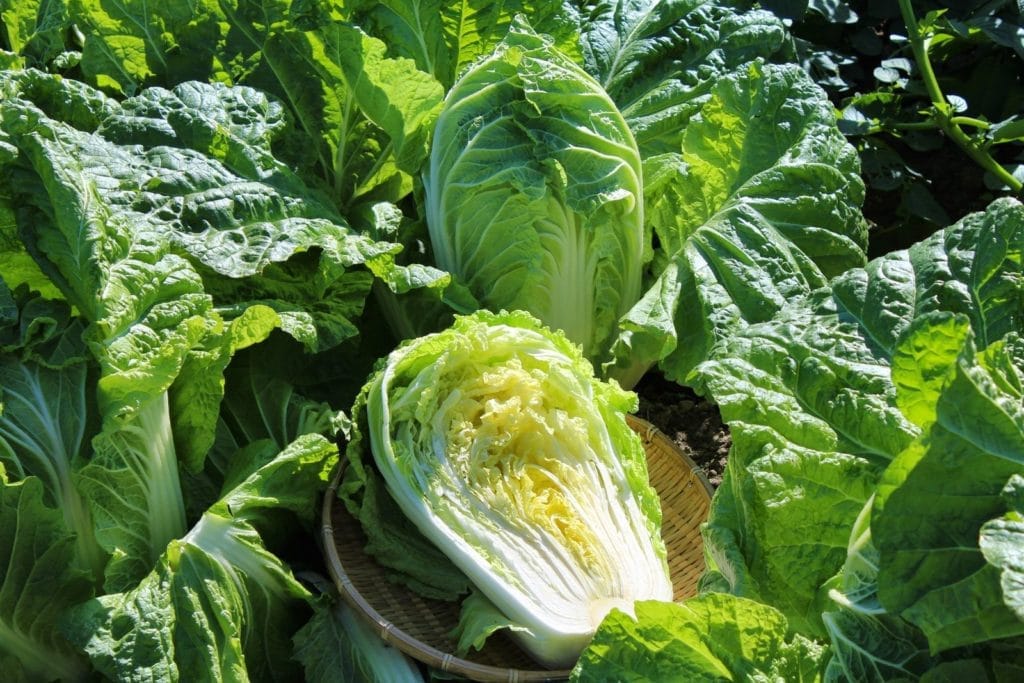
Chinese cabbage, garlic, peanuts, wood ear mushrooms, and frozen spinach are often featured in the media. One of the characteristics of cheap Chinese produce is that it is often used in the restaurant industry and processed foods (frozen, canned, and ready-to-eat) rather than in the fresh produce section, making it difficult for consumers to be aware of the country of origin. On the other hand, the number of products labeled as "Made in China" in stores is small compared to the amount imported, so please keep in mind that no labeling does not necessarily mean that the product is domestically produced.Concerns about environmental pollution (heavy metals, etc.)
Heavy metal contamination of the soil has been reported in some areas of China, and special attention must be paid to production areas near mines and industrial areas. Things like cadmium and lead that build up in vegetables can lead to long-term health risks. However, not all production areas are contaminated, and inspection and traceability for each production area are important.Practical measures to reduce risk
We will introduce some easy measures you can take, including methods that we have actually tried and found to be effective.Ideas for purchasing
・Check the country of origin and processor information. Products that specify contract farms and traceability give you a sense of security.-For households that often eat out and eat processed foods, getting into the habit of checking ingredient labels will help reduce risk.
・One way is to choose products that are certified organic or have been inspected by a third party.
What you can do with cooking
広告