Key Points

  • We introduce the top 5 Japanese dishes that appear healthy but can be detrimental due to cooking methods or additives.
  • Be mindful of oil quality/quantity in tempura and fried tofu, inorganic arsenic in hijiki, salt and mercury in grilled fish, and additives in commercial pickles.
  • We explain specific, easy-to-implement improvements: oil management, choosing fish types, homemade pickles, and gut care with fermented foods and probiotics.
  • Our team found that low-oil cooking with an air fryer and homemade quick pickles were surprisingly easy to continue.

Is "Japanese Food = Healthy" True? Overlooked Pitfalls

Japanese cuisine traditionally has a strong image of being healthy, but depending on cooking methods, ingredients, and additives used, it can sometimes become a burden on the body. We, too, usually try to focus on Japanese-style meals, but we've noticed some unexpected pitfalls. Here, we'll introduce five representative dishes that "seem healthy but are actually bad for you," along with their reasons and improvement tips.

Top 5 Worst Dishes (Issues and Countermeasures for Each Item)

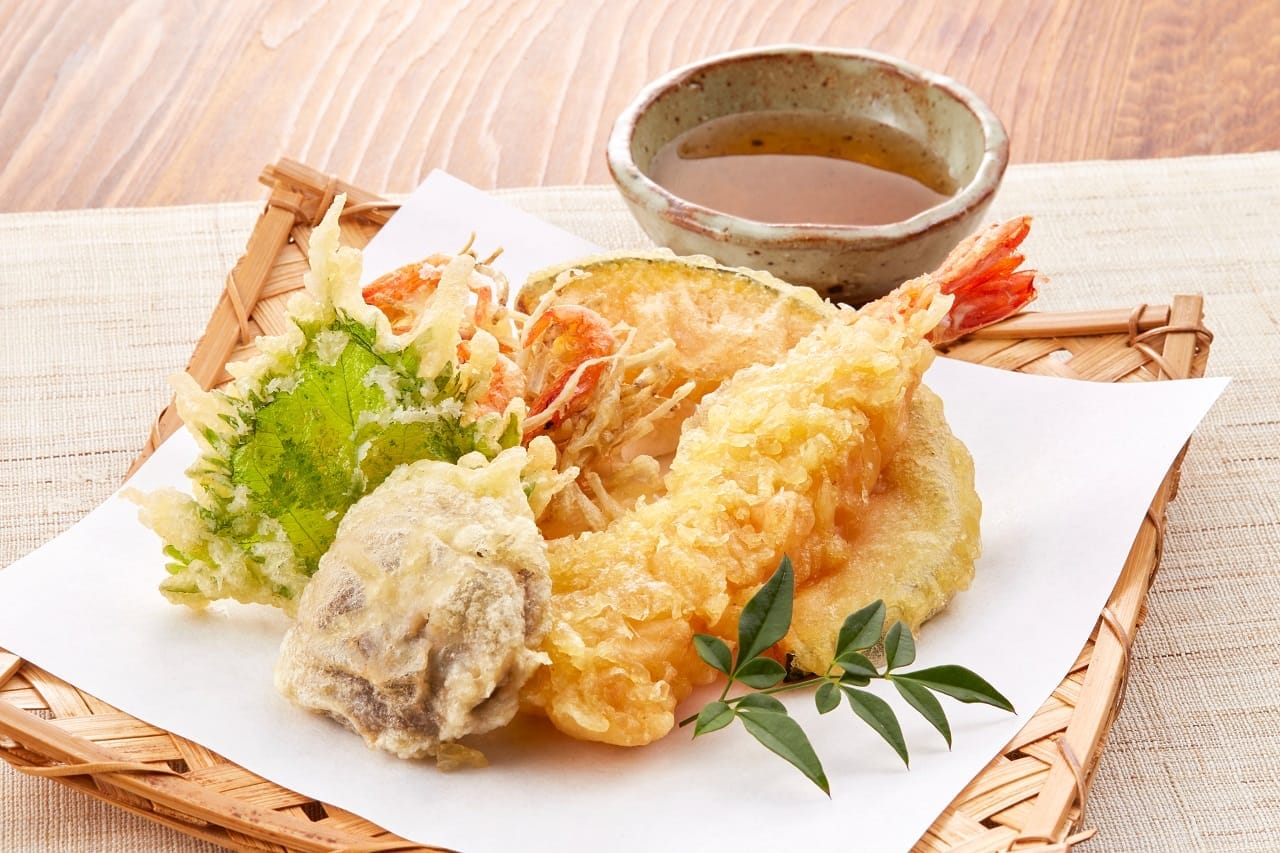
1. Tempura (All Fried Foods)

While tempura's ingredients themselves are good, the oxidation of oil and the high fat content characteristic of fried foods are problematic. When oil is repeatedly used at high temperatures, trans-fat-like substances and oxidized compounds tend to increase, and the calorie count is also high. When we actually tried frying with an air fryer or a small amount of oil, we were able to maintain a crispy texture while significantly reducing the amount of oil used, and we felt satisfied. Countermeasures: Change frying oil frequently, fry at high temperature for a short time rather than low temperature for a long time, consider air fryer or non-fry cooking, and reduce the frequency of fried foods.

2. Fried Tofu / Rich Tofu Dishes (Agedashi Tofu, etc.)

Tofu itself is a good source of protein, but when fried, the oil content increases, and the salt and sugar content tend to be high due to the agedashi sauce and tempura dipping sauce. Canned or processed tofu products may also contain preservatives and additives. Countermeasures: Enjoy yudofu (boiled tofu) with dashi as much as possible, make the sauce lighter and add flavor with condiments (green onions, ginger), or use a small amount of oil or grill as an alternative when frying.

3. Hijiki (Excessive Intake of Dried Hijiki)

Hijiki is rich in iron and dietary fiber, but some seaweeds contain inorganic arsenic, and food safety agencies warn that long-term, excessive intake can pose a risk. While a common household amount (about once or twice a week as a side dish) is unlikely to be a problem, it is best to avoid habitually eating large quantities. Countermeasures: Consume hijiki in moderation (aim for one small bowl), rotate with other seaweeds (wakame, kombu, mozuku), and check the manufacturer's safety standards.

4. Grilled Fish (Salt-Grilled and Charred Parts)

Grilled fish is a good source of protein and DHA/EPA, but salt-grilled fish with high salt content, and charred parts of the skin and flesh, may contain carcinogenic polycyclic aromatic hydrocarbons (PAHs) and heterocyclic amines. Also, some fish species (such as some tuna and swordfish) have high mercury concentrations, so caution is required. Countermeasures: Reduce salt, flavor with lemon or aromatic vegetables, avoid charring over direct heat, and refer to the Ministry of Health, Labour and Welfare's guidelines for pregnant women and children to limit intake of large migratory fish.

5. Commercial Pickles and Vinegared Dishes (Additives and Preservatives)

Pickles are beneficial as fermented foods, but some commercial products contain preservatives, colorings, and excessive salt, which can affect gut flora. When we refrained from commercial pickles and made