
Key Takeaways
- Each enzyme, such as amylase, protease, and lipase, targets different substances for breakdown.
- Digestive enzyme supplements "aid digestion" and are not expected to have direct weight loss effects.
- Generally, take them "with meals or just before". Their action is said to last approximately 45-60 minutes.
- Specific enzymes (lactase, α-galactosidase) can be effective for certain intolerances, such as lactose intolerance or gas from legumes.
- Consult a doctor if you have bleeding tendencies, are pregnant or breastfeeding, or have chronic diseases.
What Are Digestive Enzyme Supplements? A Basic Explanation
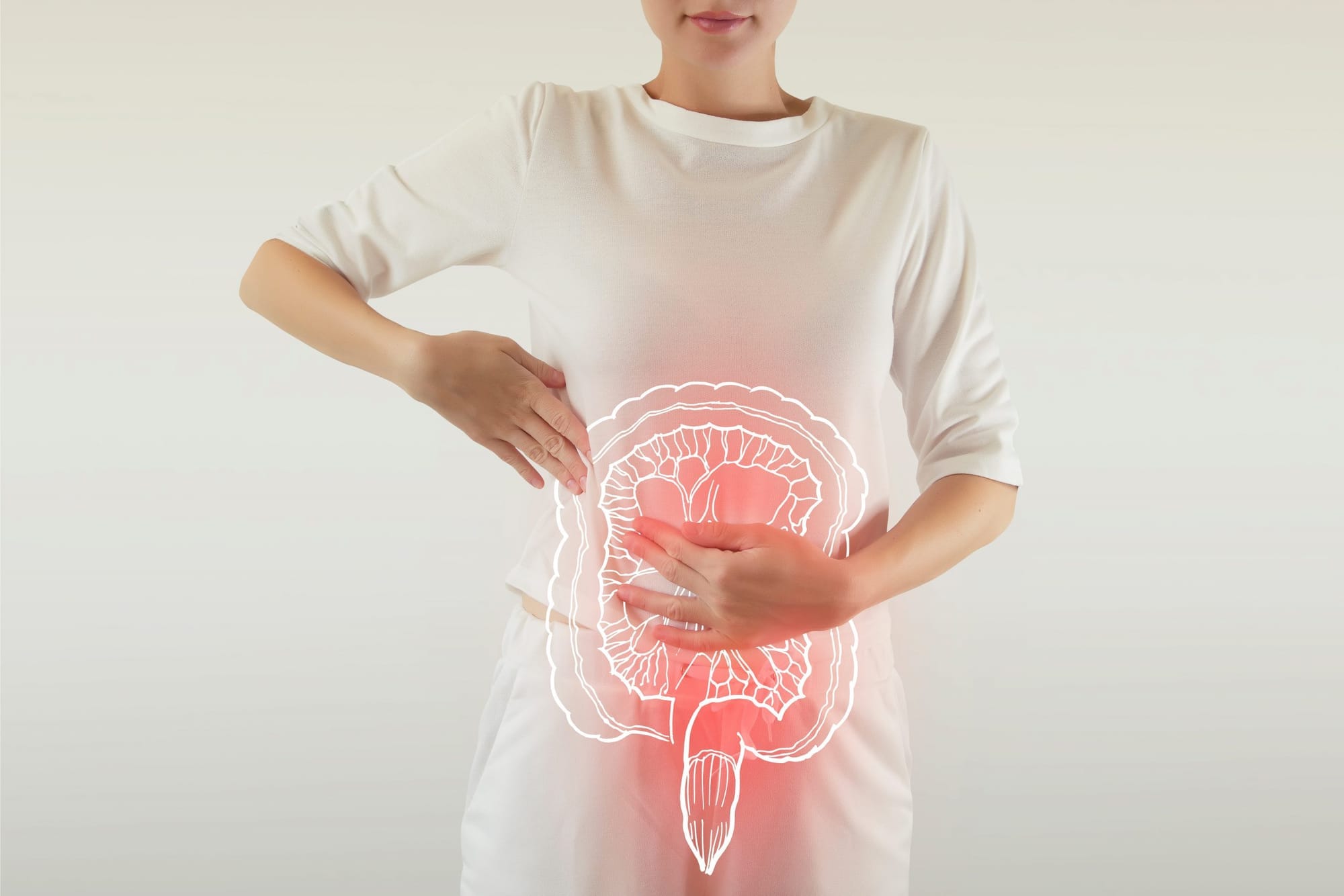
Digestive enzymes are crucial workers that break down the food we eat so that nutrients can be absorbed. Secreted from saliva, stomach, pancreas, and small intestine, the three main types are amylase (breaks down carbohydrates), protease (breaks down proteins), and lipase (breaks down fats). As we age or due to illness, the secretion of these enzymes can decrease, in which case "digestive enzyme supplements" can be used as a supplement. When we tried them, some experienced relief from stomach upset after fatty meals, but not everyone will experience the same effects.The Effects of Digestive Enzyme Supplements and Misconceptions About "Dieting"
While digestive enzyme supplements are sometimes advertised for "weight loss," expert explanations suggest there is little evidence for direct weight reduction. In fact, improved digestion and absorption could lead to increased nutrient uptake and potentially weight gain. For example, taking lipase promotes fat absorption. Therefore, while they can be useful for alleviating discomfort from overeating (bloating and stomach upset), expecting to "eat without gaining weight" is not realistic.When and How to Take Them? Practical Usage
Digestive enzymes are less effective when taken on an empty stomach; it's generally best to take them with or just before a meal. Since their action is said to last approximately 45-60 minutes, taking them just before starting a meal is efficient. Formulations vary by product, and you can choose based on your purpose, such as comprehensive enzymes (a mixture of amylase, protease, and lipase), lactase (for lactose digestion), or α-galactosidase (for gas from legumes). From our experience, when we anticipated overeating at restaurants or events, following the recommended dosage on the product label seemed to lighten the burden on our stomachs. If you don't feel an effect, a 1-2 week trial is a good way to judge.Precautions and Cases Where You Should Consult a Doctor
Digestive enzyme supplements are relatively safe, but caution is needed regarding allergies (e.g., bromelain from pineapple) and drug interactions (e.g., anticoagulants). If you experience chronic diarrhea, persistent weight loss, or fatty stools, specialized tests and prescription enzymes may be necessary for conditions like exocrine pancreatic insufficiency. If you have bleeding tendencies, are pregnant or breastfeeding, or are taking medication for a chronic illness, do not start on your own; consult a doctor or pharmacist. Also, while enzymes may provide temporary relief for symptoms of SIBO (Small Intestinal Bacterial Overgrowth) or IBS (Irritable Bowel Syndrome), fundamental treatment, dietary guidance, and gut environment adjustment are also important.Summary
Digestive enzyme supplements are supplementary tools that "aid digestion," and when used at the right time (with or just before meals), they can help alleviate post-meal discomfort. However, they are not a quick fix for "weight loss." When choosing a product, pay attention to the enzymes included, potential allergies, and drug interactions. We have also tried various products, some effective and some not, so we recommend trying them for a short period to see if they suit you. If you have severe symptoms, consult a specialist promptly.Disclaimer: The information in this article is for general informational purposes only and does not constitute medical advice. Please consult a qualified healthcare professional before making any health-related decisions.