
Key Takeaways
- Be mindful of intake frequency for large and deep-sea fish, as they tend to have higher methylmercury levels.
- The Ministry of Health, Labour and Welfare recommends limiting consumption of fish high in methylmercury to twice a week (approximately 100-200g total).
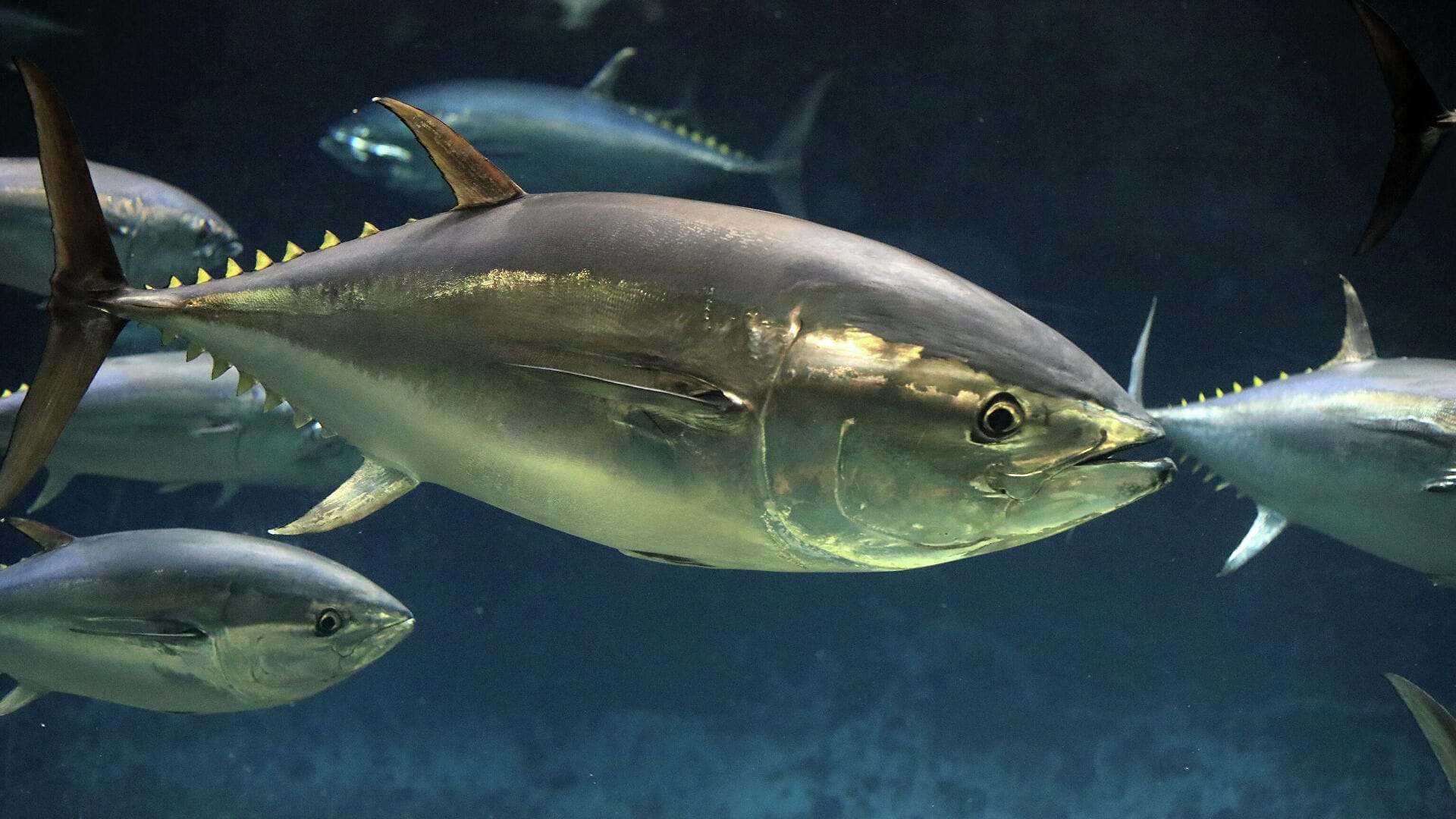
- Top 5 Fish to Avoid: Bluefin Tuna, Sperm Whale, Bigeye Tuna, Swordfish, Greenland Halibut (reference value: ppm)
- Canned tuna and imported fish also require caution. Checking origin labels and diversifying fish types leads to safer consumption.
Introduction: Fish is Good, But Choosing Wisely is Surprisingly Important
Fish are rich in omega-3 fatty acids, high-quality protein, and vitamins, benefiting our health. However, we also need to be concerned about heavy metals like methylmercury. The Ministry of Health, Labour and Welfare guidelines recommend limiting the intake of fish high in methylmercury, especially for pregnant women and families with small children. We have also reviewed our own diets and become more conscious of the types of fish we eat. In this article, we will clearly explain which fish to avoid and practical measures you can take in your daily life.
Why Are Large Fish 'Dangerous'?
Food Chain and Biomagnification
Methylmercury ingested by small plankton and small fish accumulates in the fish that eat them, and the conce ntration in the body becomes higher in larger fish that prey on them. This means that the older and larger the fish, the more likely the concentration is to increase. Particular caution is needed for large migratory fish such as tuna, swordfish, and whales.
Methylmercury Formation in Deep Sea Cannot Be Ignored
Methylmercury is known to be produced by microorganisms in the ocean, and there are reports that it is easily generated in deep-sea areas. Therefore, deep-sea fish also t end to have high concentrations, and caution is needed for flatfish species.
Top 5 Fish to Avoid (Average Total Mercury Guideline)
Based on data from the Ministry of Health, Labour and Welfare, here are fish with high total mercury content (unit: ppm, approximate values).
- Bluefin Tuna (6.1 ppm) — Large size and long migratory distances lead to easy biomagnification.
- Sperm Whale (4.6 ppm) — Positioned at the top of the marine food chain, with extremely h igh concentrations.
- Bigeye Tuna (3.1 ppm) — Often used as an ingredient for sashimi and canned goods.
- Swordfish (1.4 ppm) — A high-end fish, but consumption frequency should be considered.
- Greenland Halibut (0.3 ppm) — Individuals from deep-sea areas may have higher levels.
For reference, even higher values have been reported for bottlenose dolphins, which are not commonly distributed. Global surveys also show that bluefin tuna from the North Pacific tend to have higher mercury concentrations, and differences by sea area are observed (see PNAS research, etc.).
How to Handle Canned Tuna and Imported Fish
Canned Tuna Precautions
Canned tuna is convenient, but mercury levels vary depending on the type of fish used as raw material. For example, some products have data showing relatively high total mercury, and additives may be included during processing. We recommend checking the ingredient label and adjusting the fr equency of consumption. We also used to eat canned goods many times a week, and reducing the frequency made us feel more at ease.
Differences Between Imported and Domestic Fish
It's not that imported fish are always safe, or domestic fish are always safe. Fishing areas and fish growth environments greatly influence this, so while origin labels are helpful, they don't tell the whole story. Research reports relatively high mercury in tuna from the North Pacific, and it's importan t to note that even if imports are mainly from Asian countries, they are often caught in similar waters.
Practical Advice for Safe Fish Consumption
- Adhere to intake frequency guidelines: For fish high in methylmercury, aim for no more than twice a week (approximately 100-200g total).
- Diversify fish types: Avoid eating the same species repeatedly; incorporate small, short-lived fish like sardines, saury, and salmon.
- Check canned goods labels: Verify ra w fish species and country of origin, and manage consumption frequency.
- Pregnant women and children should be more cautious: During pregnancy, lactation, and early childhood, follow guidelines from doctors and local authorities.
- Consider supplements as an option: Omega-3s can be supplemented from sources other than fish (but ensure quality).
Summary
Fish are rich in healthy nutrients, but it's also important to be aware of heavy metal risks like meth ylmercury. Especially for bluefin tuna, sperm whale, bigeye tuna, swordfish, and deep-sea flatfish, which tend to have high concentrations, it's crucial to limit intake frequency. Canned and imported fish are not unconditionally safe, so please check origin and ingredient labels and adopt the habit of diversifying the types of fish you eat. Our geefee team has also become more conscious of the types of fish on our daily dinner table, allowing us to enjoy fish with peace of mind. When in doubt, i t's best to consult a doctor or nutritionist.
Disclaimer: The information in this article is for general informational purposes only and does not constitute medical advice. Please consult a qualified healthcare professional before making any health-related decisions.
",