
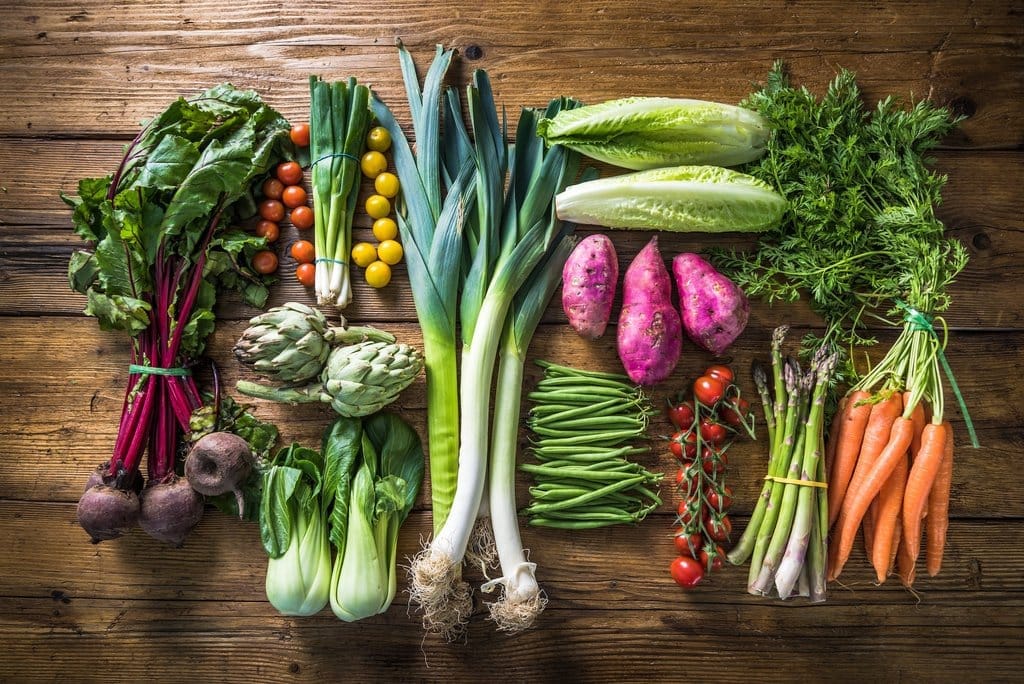
- While vegetables are generally healthy, certain types, quantities, or preparation methods can put a strain on your body.
- 'Antinutrients' like lectins, phytates, oxalates, and glucosinolates (goitrogens) can be reduced through cooking or fermentation. Raw consumption may require caution in some cases.
- Concerns about pesticide residues (such as glyphosate) and GMOs can be mitigated by choosing carefully where and how you buy your produce. Refer to resources like the EWG's Dirty Dozen and national data.
- Be mindful of your intake of high-carb vegetables (like sweet potatoes, corn, and potatoes). This is especially important for those managing blood sugar or following a keto diet.
Are Vegetables Not 'Unconditionally Good'? — Introduction and Conclusion First
Vegetables are a treasure trove of vitamins, minerals, and dietary fiber, forming the foundation of good health. However, there are also aspects where 'eating too much' can lead to problems. From our own research and experience, the key points are to 'avoid bias in types,' 'reduce risks through cooking,' and 'choose according to your physical condition.' This time, we'll explain in an easy-to-understand way about antinutrients, pesticide residues, GMOs, and high-carb vegetables that require special attention.Vegetables Containing Antinutrients and How to Deal with Them
Antinutrients are a general term for compounds that can interfere with nutrient absorption or cause problems if consumed in excess. Here are some common examples:
Lectins
Lectins are often found in legumes, some nightshades (tomatoes, eggplants, potatoes), and grains. Excessive intake can lead to indigestion and intestinal discomfort, but their activity is reduced by heating and fermentation. We also found that soaking beans for a long time before cooking them made them much easier on the stomach.
Phytates
Phytates are abundant in whole grains, nuts, seeds, and soybeans, and can hinder the absorption of minerals (such as iron and zinc). Soaking, sprouting, and fermentation (like in natto and miso) can reduce their levels.
Oxalates
Oxalates are found in spinach, rhubarb, beets, parsley, and kale, and can contribute to kidney stone formation. Oxalates dissolve in water when boiled, so blanching or cooking is effective. We recommend lightly boiling spinach rather than eating large quantities raw.
Glucosinolates (Goitrogens)
Glucosinolates are found in cruciferous vegetables like broccoli, Brussels sprouts, cabbage, and kale. They can interfere with iodine uptake and potentially affect the thyroid. Eating them cooked rather than large quantities raw can reduce this risk.
Vegetables to Watch Out for Regarding Pesticide Residues and GMOs, and How to Choose Them
Concerns about pesticide residues and their long-term health risks are persistent. Given that the International Agency for Research on Cancer (IARC) has classified glyphosate as 'probably carcinogenic,' it's wise to minimize exposure as much as possible.
Vegetables Prone to High Pesticide Residues
- Spinach, kale, bell peppers, celery, tomatoes, etc. (items often ranked high on EWG's Dirty Dozen list)
If organic options are not feasible, try peeling, washing thoroughly under running water, or lightly cooking to reduce residue levels. For leafy greens in salads, we pay attention to the origin, and for frequently purchased items, we opt for organic or reliable direct-from-farm sources.
GMOs (Genetically Modified Organisms) to Be Aware Of
Common GMO crops approved for distribution in Japan include potatoes, soybeans, sugar beets, corn, rapeseed (canola), cotton (for edible oil), alfalfa, and papaya. American-grown corn and soybeans, in particular, are known to have a high percentage of GMO varieties. If you wish to avoid GMOs, look for 'non-GMO labels' or indications of domestic origin.
High-Carb Vegetables and Tips for Blood Sugar Management
Vegetables vary in carbohydrate content. If you're on a low-carb diet or concerned about blood sugar, be mindful of your intake of the following vegetables (approximate carbohydrate content per 100g):
- Sweet potato (steamed): approx. 33g
- Potato (steamed): approx. 16g
- Pumpkin (boiled): approx. 15g
- Lotus root (boiled): approx. 14g
- Corn (boiled): approx. 19g
These are highly nutritious and healthy in moderation, but portion control is important. We enjoy small amounts of sweet potato as a dessert alternative, maintaining a balanced approach.
Practical Advice for Cooking and Purchasing
- Reduce risks with heat: Boiling, steaming, fermenting, and prolonged soaking can reduce many antinutrients. Lightly steaming broccoli and kale makes them easier to eat.
- Embrace variety: Avoid eating large quantities of the same vegetables. Rotating your intake prevents excessive consumption of specific compounds.
- Check origin and labels: If concerned about pesticide residues or GMOs, look for organic, non-GMO labels, or indications of domestic origin.
- Balance nutrients with cooking methods: Water-soluble vitamins can decrease when boiling, so try to use the cooking liquid in soups to minimize waste.
- Tailor to individual body type: If you have a history of kidney stones, thyroid issues, or autoimmune diseases, consult your doctor or a nutritionist to determine which foods to limit.
Summary
While vegetables are fundamental to health, the idea that 'more is always better' needs reconsideration. By understanding key points like antinutrients, pesticide residues, GMOs, and carbohydrate content, you can safely and effectively reap the benefits of vegetables. We recommend 'reducing risks through cooking,' 'eating a variety of vegetables in moderation,' and 'choosing reliable sources.' With a little attention, your daily meals can become significantly healthier, so please try incorporating these tips starting today.
Disclaimer: The information in this article is for general informational purposes only and does not constitute medical advice. Please consult a qualified healthcare professional before making any health-related decisions.