
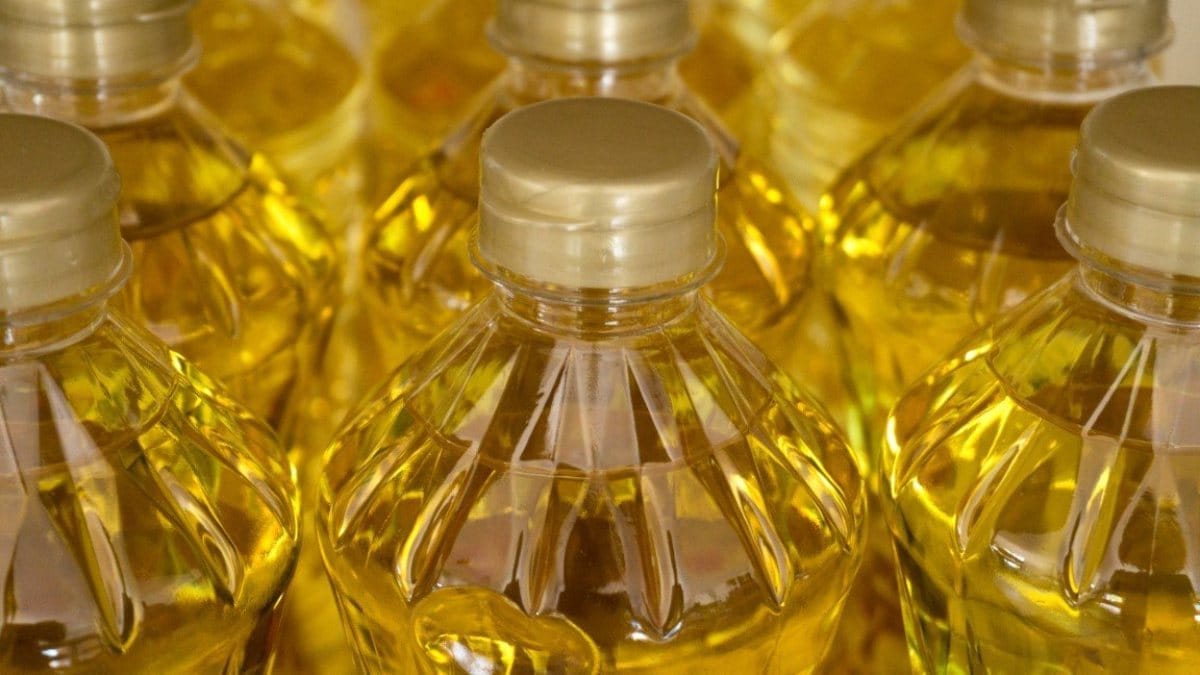
- Rapeseed oil and canola oil are made from the same raw material, 'rapeseed,' but are often distinguished by their erucic acid content.
- Canola oil is made from varieties bred to be low in erucic acid, and while generally considered safe due to its low erucic acid content, it may also be derived from genetically modified or herbicide-resistant crops.
- Both have a relatively good ratio of omega-3 (alpha-linolenic acid) to omega-6 (linoleic acid), but there is a risk of harmful decomposition products (such as aldehydes) forming due to oxidation when heated.
- It is important to use different oils depending on the cooking purpose and to pay attention to labels (low erucic acid, non-GMO, organic, etc.) and storage methods when purchasing.
What's the Difference Between 'Rapeseed Oil' and 'Canola Oil'? ── Let's Sort Out the Key Points First
While not as widely discussed as sugar or alcohol, the cooking oils we use every day also affect our health. Rapeseed oil and canola oil look similar and are used for similar purposes, but there are subtle differences in their components and manufacturing processes, which can lead to different health impacts. We will explain the differences and points to note in an easy-to-understand manner, incorporating what we have actually researched and our impressions from trying them at home.
The Essential Difference Between Rapeseed Oil and Canola Oil: What is Erucic Acid?
Erucic Acid is a Must-Check
Some varieties of rapeseed itself contain a relatively high amount of erucic acid, a long-chain unsaturated fatty acid. Animal studies have reported that high doses of erucic acid can affect the heart (such as myocardial fat accumulation), which is why the erucic acid content in oils and fats has been viewed as a problem. 'Canola,' bred in Canada, is made from varieties with significantly reduced erucic acid, generally containing 2% or less, and is evaluated as highly safe (based on summaries in nutritional reviews, etc.).
Therefore, 'Rapeseed Oil = Higher Erucic Acid' and 'Canola = Low Erucic Acid' is a Good Rule of Thumb
However, some products labeled as 'rapeseed oil' domestically use low-erucic acid varieties. If the label mentions 'low erucic acid' or 'delicate variety,' it can be a reassuring factor, but if not specified, it's important to remember that the content might be high.
Concerns about Genetically Modified Organisms (GMOs) and Pesticide Residues: How is Canola Handled?
Breeding Methods and Their Impact
The development of canola primarily involved breeding (cross-pollination) to achieve low erucic acid and low glucosinolate characteristics. However, in recent cultivation, varieties with herbicide-resistant genes (GMOs) are also distributed. If product labels do not explicitly state 'non-GMO,' there is a possibility that GMOs are used as raw material. Furthermore, there are reports and discussions pointing out issues with pesticide residues due to the use of herbicides like glyphosate. As consumers, it is crucial to check labels and origin information.
Our Tips for Choosing
When we actually choose at the supermarket, we often select products with labels such as 'domestically produced,' 'organic,' or 'non-GMO,' and we use them according to their purpose. Whether to completely avoid them is a personal value, but if you are concerned, checking the label or choosing organic or non-GMO options can increase your peace of mind.
Omega-3/6 Ratio and the Risk of Oxidation Products from Heating
The Ratio Itself Isn't Bad, But Be Mindful of Oil Properties
Rapeseed oil and canola oil have a relatively good ratio of alpha-linolenic acid (omega-3) to linoleic acid (omega-6), with an omega-3:omega-6 ratio of approximately 1:2, which is commendable for essential fatty acid balance. However, even with a good ratio, oils rich in omega-6 can easily oxidize when cooked at high temperatures, leading to the formation of highly reactive decomposition products such as aldehydes and hydroxynonenal (HNE). Research suggests a link between these oxidation products and risks of atherosclerosis and neurodegenerative diseases. Therefore, it is particularly important to avoid repeatedly used frying oil and prolonged heating at high temperatures (refer to reports and reviews on heating toxicity).
Practical Tips to Reduce Risk with Cooking Methods
- Reduce the frequency of high-temperature cooking (above 180°C). Limit deep-frying to occasional use.
- Do not reuse oil. Repeated heating, especially in commercial or home settings, promotes oxidation.
- If heating, choose stable oils (refined oils, or butter/ghee, refined avocado oil, etc.).
- For dressings and finishing flavors, use extra virgin olive oil or cold-pressed rapeseed oil.
Practical Advice for Cooking and Purchasing
What we practice in our daily cooking is 'proper usage' and 'label checking.' For salads and low-temperature cooking, we use flavorful cold-pressed oils (extra virgin types). For stir-frying and short sautés, we use refined canola or rapeseed oil. For deep-frying, we reduce the frequency and use dedicated oil. On labels, we check for 'low erucic acid,' 'non-GMO,' 'organic,' and 'country of origin.' Storing oil in a cool, dark place away from light and heat can suppress oxidation.
Also, since oil is not 'all-purpose,' we recommend incorporating diverse fat sources such as olive oil, nuts, and fish (blue-backed fish) into your diet to balance fatty acids.
Summary
Rapeseed oil and canola oil are often made from the same plant, but aspects of their health risks vary due to erucic acid content, breeding improvements (presence of GMOs), and differences in cultivation and manufacturing processes. Erucic acid can be problematic in high doses, and while canola is generally low in erucic acid, concerns about genetic modification and herbicides may arise. The omega-3/6 ratio is relatively good, but it's crucial to be aware of harmful byproducts from oxidation during heating. Practical measures include adjusting cooking methods and oil selection to reduce risks. From our trials, we've found that checking labels and using oils according to their purpose is the most practical approach.
Disclaimer: The information in this article is for general informational purposes only and does not constitute medical advice. Please consult a qualified healthcare professional before making any health-related decisions.