
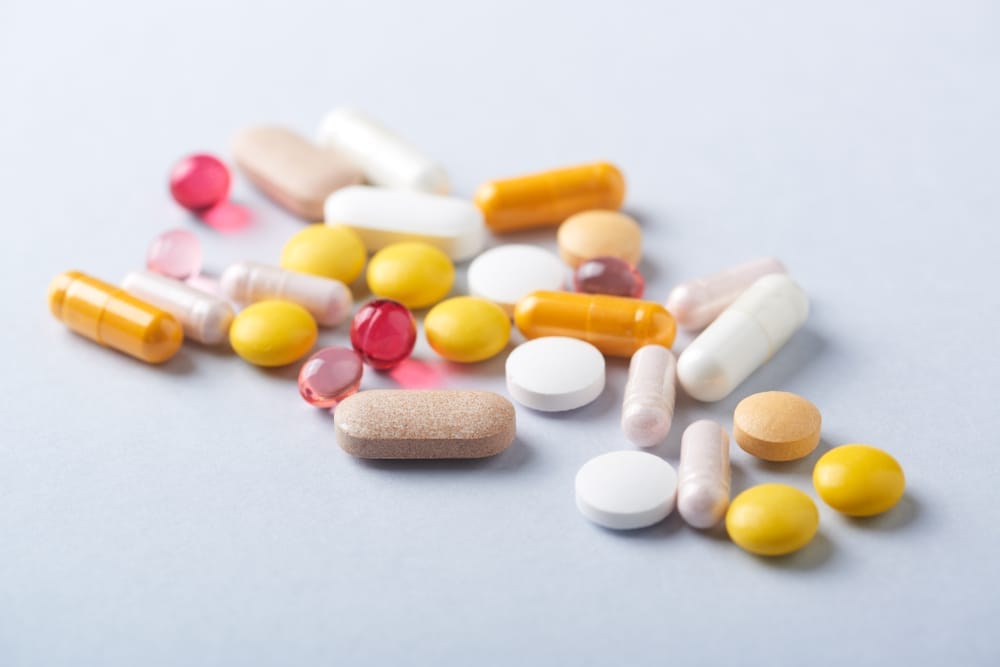
- It is important to carefully check the ingredient list of supplements taken regularly, as the effects of additives can easily accumulate.
- Representative additives to avoid: heavy metals (lead, cadmium, mercury), titanium dioxide (TiO2), artificial sweeteners (aspartame), etc.
- Check the raw material names, fillers, coating materials on the label, and the presence of third-party inspections. Organic, GMP, and third-party inspections (such as heavy metal inspections) are good indicators.
- It is especially worthwhile to be particular about the quality of everyday drinks, such as authentic clean coffee with zero additives. We tried Bulletproof's clean coffee and felt good about it.
Reasons why we want to be particular about quality because we take it regularly
Supplements are products that are often taken daily and for a long period of time, rather than in large quantities for a short period.That is why, if additives and impurities, even in small amounts, continue to accumulate every day, it can lead to unexpected changes in physical condition.We, too, have come to realize how important the "visualization" of ingredients is, as we regularly handle supplements and functional foods.Here, we will clearly summarize the additives to avoid, how to identify them, and alternatives.
Additives to avoid and their risks
Heavy metals (lead, cadmium, mercury, arsenic)
Heavy metals can be mixed into seaweed, some herbs, and some raw materials from overseas.Heavy metals tend to accumulate in the body and can affect kidney function and the nervous system in the long term, so children and pregnant women in particular need to be careful.Reliable manufacturers often disclose heavy metal test results for their raw materials, so be sure to check before purchasing.
Titanium dioxide (TiO2)
Titanium dioxide is used in supplements as a white coloring agent and coating material.In Europe, its use as a food additive is viewed as problematic from a safety perspective, and regulations are progressing.It may be used to make the outer layer of supplements or the gloss of tablets, so check the label or product description to see if it says "titanium oxide" or "titanium dioxide."
Artificial sweeteners (such as aspartame)
Flavored supplements in the form of chaseable tablets or powders may contain ingredients such as aspartame or sucralose to adjust the taste.Even if there is no problem in the short term, people who are concerned about consuming large amounts of sweeteners in the long term or those with phenylketonuria (PKU) should avoid it.If you don't need flavoring, it's safe to choose an additive-free type.
Others: Colorants, fragrances, excipients
Colorings and flavorings improve appearance and taste, but it's always better to reduce unnecessary additives.Excipients (such as magnesium stearate) are convenient for manufacturing, but they can cause upset stomachs for sensitive people, so we recommend using formulations that are as simple as possible.
Specific checking methods to avoid additives
How to read ingredient labels
Check the ingredients and nutritional information on the package.We check the presence of unnecessary flavorings, colorants, and sweeteners, as well as the type of capsule material (gelatin/vegetable) and filler (excipient).In some cases, only English is available, so it is useful to memorize words such as "titanium dioxide," "aspartame," and "magnesium stearate."
View third-party inspections and certifications
Check to see if they have GMP (Good Manufacturing Practice), ISO, USP, NSF, etc. certifications, and if they have published test results for heavy metals and pesticide residues.When making our selections, we pay particular attention to whether a ``third-party certificate of test results (COA)'' is listed on the product page.
Check the origin of raw materials and manufacturing process
You will feel more secure if the origin of the raw materials is clearly indicated.Since the risk of heavy metals in seaweed and herbs varies depending on where they are produced, it is safe to choose a manufacturer with a reliable source.
Specific choices and daily alternatives
How to choose capsule material: tablets or powder
Tablets often contain coatings and binders, and powders may contain preservatives and flavorings.Vegetable capsules (HPMC) are suitable for those who want to avoid animal-derived products.We prefer capsules that have minimal coatings or are naturally derived.
Clean Everyday Beverage Choices: Coffee Example
It is effective not only to take supplements, but also to be conscious of not adding additives to the things you drink every day.For example, if you're concerned about additives in canned coffee, the best solution is to switch to clean ground coffee.geefee actually tried Bulletproof's ``The Original Ground Coffee.''We use clean beans that have passed mycotoxin tests, and no additives are used, allowing you to enjoy the original flavor of coffee.It is available at iHerb and other stores, so if you are interested, please check the ingredients and testing information on the product page.
Be creative in how you use supplements
Choosing a high-quality form of the same ingredient (e.g. chelated minerals) may result in better absorption and may be effective with a small amount.Additionally, there may be interactions with medications and other supplements, so if you plan on taking it for a long time, we recommend that you consult your doctor or pharmacist.
summary
Supplements that you take regularly and foods that you drink every day are susceptible to the cumulative effects of additives and impurities.Be especially careful about heavy metals, titanium oxide, artificial sweeteners, etc., and check the ingredient label, third-party testing, and origin of raw materials.Not all additives are bad, but cutting back on unnecessary ones increases long-term safety and satisfaction.We at the geefee team have experienced a greater sense of security by simply reconsidering our daily choices, so start by getting into the habit of reading labels.
Disclaimer: The information in this article is for general informational purposes only and does not constitute medical advice. Please consult a qualified healthcare professional before making any health-related decisions.