
Key Takeaways
- Histamine intolerance is often related to a deficiency or reduced activity of the enzyme "DAO (diamine oxidase)" which breaks down histamine in the gut.
- Alcohol and some beverages (energy drinks, green tea, etc.), as well as certain medications, can inhibit DAO. Caution is needed when combining them with high-histamine foods (fermented foods, aged cheese, wine, etc.).
- Vitamins B6, C, magnesium, zinc, and copper are important cofactors for DAO, and supplementation through diet or supplements may be helpful. However, excessive intake should be avoided.
- Over-the-counter DAO enzyme supplements have been reported to help alleviate symptoms when taken with meals, but individual differences are significant, and it is important to consult a doctor for diagnosis and treatment.
Introduction: Understanding the Relationship Between Histamine Intolerance and DAO Enzyme
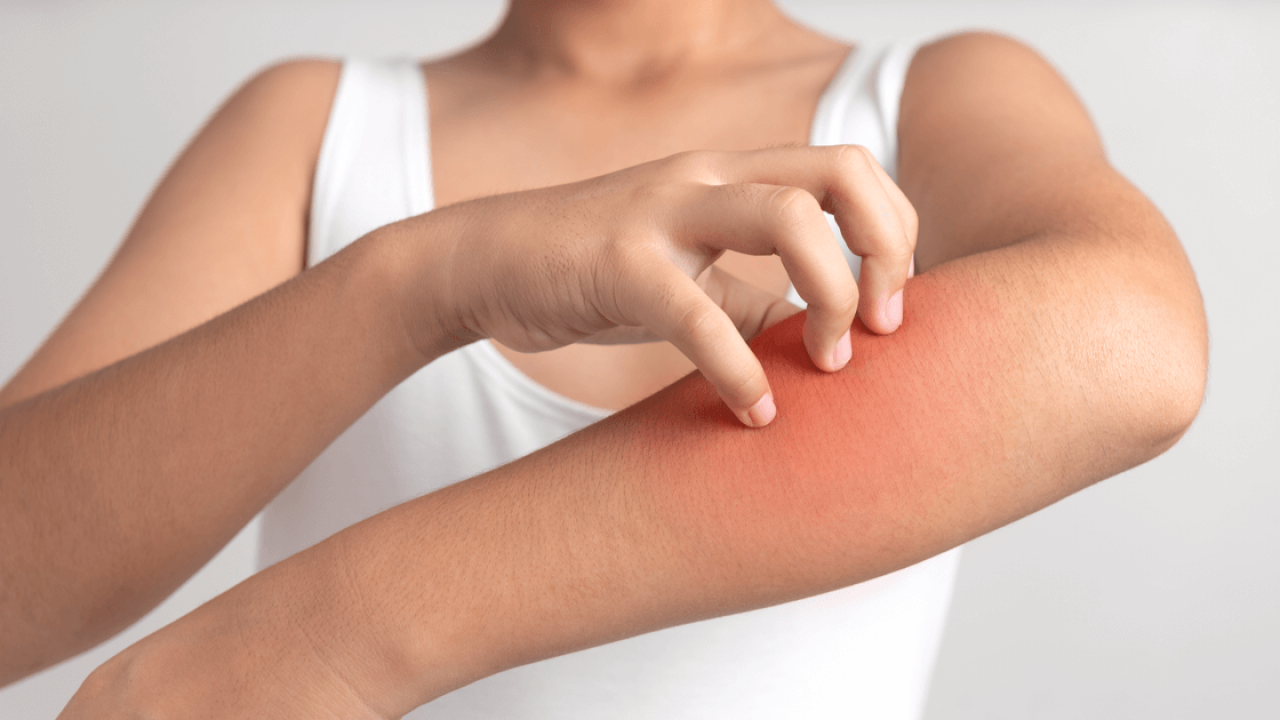
Our geefee team has also experienced sudden headaches, facial flushing, and diarrhea after meals, and when we investigated the cause, we came across the term "histamine intolerance." Histamine itself is an important neurotransmitter in the body, but if its breakdown cannot keep up, it can lead to discomfort. This time, we will focus on the breakdown enzyme "DAO (diamine oxidase)" and explain in an easy-to-understand way what inhibits it, what nutrients can help, and how to use supplements. We will provide reliable information without being overly technical.What is DAO Enzyme (Diamine Oxidase)?
DAO is mainly produced in the mucous membrane of the small intestine and works to break down histamine derived from food, preventing its absorption into the bloodstream. People with genetically low DAO activity or those with intestinal diseases (such as celiac disease or inflammatory bowel disease) that damage the small intestinal lining are prone to DAO deficiency, which can lead to histamine intolerance. Explanations on medical information websites and several clinical reports also show a correlation between decreased DAO and symptoms, but diagnosis is not easy, and it is generally evaluated by combining blood DAO activity tests and elimination diets (low-histamine diet).Foods and Lifestyle Habits that Inhibit DAO and Points to Note
Combination of Alcohol and Fermented Foods
Alcohol is a typical factor that hinders DAO activity. Since wine and beer themselves are high-histamine foods, consuming them with cheese or fermented foods can exacerbate symptoms. We also experienced headaches the morning after consuming wine and cheese, and we keenly felt the impact of food combinations.Beverages, Caffeine, and Medications
Energy drinks, strong green tea, black tea, and mate tea are said to interfere with DAO function. In addition, some medications (antibiotics, antihypertensives, antidepressants, etc.) have been reported to affect DAO, so if you are taking regular medication, please consult a pharmacist or doctor.Examples of High-Histamine Foods
Aged cheese, fermented foods (kimchi, miso, natto), processed meats, canned fish or spoiled sashimi, tomatoes, eggplants, spinach, and avocados are said to contain high levels of histamine or histamine-releasing components. Since individual differences are significant, keeping a food diary to find your triggers is effective.Nutrients that Activate DAO and Dietary Tips
Important Nutrients
Vitamins B6, C, magnesium, zinc, and copper are known as cofactors that support DAO activity. In particular, there are reports that DAO activity tends to decrease when vitamin B6, magnesium, and vitamin C are deficient. In our experience, during weeks when we consciously supplemented with vitamin C and magnesium, we found that gastrointestinal discomfort was less likely to occur even after eating some processed foods.Practical Dietary Tips
- Reduce the amount of fermented and aged foods. - Be careful with alcohol even when consumed alone, and avoid high-histamine snacks when drinking. - Consume a balanced diet of vitamin C (fruits, vegetables), B6 (meat, fish, bananas), magnesium (nuts, legumes, leafy green vegetables), and zinc (meat, oysters). Excessive intake should be avoided. For example, magnesium is generally reported to be around 500mg per day, and vitamin C supplements can be several grams, but the appropriate amount varies depending on kidney function and medication status, so please consult a specialist.Effects, Usage, and Precautions of DAO Enzyme Supplements
Over-the-counter DAO supplements have been reported to help alleviate symptoms by supplementing histamine breakdown in the small intestine when taken before meals. While some clinical trials have shown efficacy, the degree of effect varies greatly among individuals, and it does not work for everyone. Since the content and quality vary depending on the product, it is important to check the ingredient list and choose a reliable brand. Precautions: - If you are pregnant, breastfeeding, have a serious chronic illness, or are taking regular medication, consult a doctor before use. - Supplements are merely an aid; if there is an underlying cause (such as intestinal inflammation or infection), treatment for that should be prioritized. - Also check for allergy indications and additives. In our experience, if you are trying supplements, it was easiest to start with a small amount and evaluate the effects in conjunction with a food diary.Summary
DAO enzyme is an important enzyme that breaks down food-derived histamine, and its deficiency or reduced activity is a cause of histamine intolerance. Alcohol, some beverages, medications, and combinations with high-histamine foods tend to worsen symptoms, and nutrients such as vitamins B6, C, magnesium, zinc, and copper support DAO. Over-the-counter DAO supplements may help alleviate symptoms, but individual differences are significant, and it is important to consult a doctor for diagnosis and treatment. We have also tried various things and feel that "knowing your individual triggers" is the most effective. Start by keeping a food diary and gradually incorporate measures that work for you.Disclaimer: The information in this article is for general informational purposes only and does not constitute medical advice. Please consult a qualified healthcare professional before making any health-related decisions.