
- IARC (International Agency for Research on Cancer) classifies 121 substances as 'carcinogenic to humans (Group 1)'.
- Formaldehyde, aflatoxins, benzene, alcohol, and others may be present in our daily lives and foods.
- Risk depends on 'quantity' and 'frequency of exposure', so it is important to avoid excessive exposure.
- Practical measures: reduce intake of additive-containing beverages, discard moldy foods, devise cooking and storage methods, moderate alcohol consumption, and UV protection.
What are the substances hidden in familiar foods and products that are 'carcinogenic to humans'? — First, understand the big picture.
Cancer develops due to a complex interplay of many factors, so it's not as simple as 'eating this will definitely cause cancer.' However, the International Agency for Research on Cancer (IARC) evaluates carcinogenicity for each substance based on scientific evidence, and substances classified as 'carcinogenic to humans (Group 1)' exist close to us. This time, we will focus on formaldehyde, aflatoxins, benzene, alcohol, and other substances that we frequently encounter in our daily lives, explaining what the problems are and how to effectively deal with them. We will also share some tips that we ourselves have tried, so please use them as a reference for practical measures you can take.
Understanding IARC's Evaluation: Group Classification and the Difference in 'Risk'
IARC classifies substances from 'Group 1 (carcinogenic to humans)' to 'Group 4 (not carcinogenic)'. It's important to note that this classification indicates the 'strength of evidence for carcinogenicity,' not necessarily 'how dangerous it is (risk)'. For example, alcohol is in Group 1, but cancer risk varies greatly depending on the amount and frequency of consumption, genetic factors, and other lifestyle habits. Therefore, 'knowing the classification' is important, but after that, it is practical to consider 'how much and how to reduce exposure'.
Representative Substances to Watch Out for in Food and Beverages
Formaldehyde (Group 1)
Formaldehyde is a volatile chemical used in preservatives and adhesives, and can be found in smoke and high-temperature cooking fumes. It has been reported that formaldehyde generated during smoking or BBQ cooking can adhere to food surfaces. We also ensure good ventilation when smoking outdoors and try to remove as much charring as possible.
Aflatoxins (Group 1)
Aflatoxins, produced by Aspergillus molds, have very strong liver carcinogenicity. They are prone to occur in environments where mold easily grows on grains, nuts, and dried fruits, and many cases of detection are found in imported products. If mold is visible, discard it without hesitation, and avoid moisture during storage as a basic rule. We store dried fruits and similar items in small portions in the refrigerator.
Benzene (Group 1)
Benzene is a volatile compound found in gasoline, industrial products, and cigarette smoke. Furthermore, it has been reported that trace amounts of benzene can be generated when sodium benzoate (benzoate) and vitamin C, found in soft drinks and fruit juices, react under certain temperature and light conditions. While trace amounts may not immediately cause health problems, it is wise to avoid unnecessary additive-containing beverages. We refrain from commercial juices and instead drink diluted fruit juice or cold-brewed tea at home.
Acrylamide (Group 2A) and Cooking Byproducts
In fried and charred foods, potential carcinogens such as acrylamide are generated. It is important to reduce the frequency of cooking at high temperatures for long periods and to avoid over-frying or excessive charring.
Practical Measures You Can Take Daily (What We've Tried and Found Effective)
- Check additives: Avoid beverages containing preservatives like benzoic acid (benzoate) by checking labels. Squeezing fruit at home gives a different sense of security.
- Mold prevention: Protect nuts and grains from moisture, and store them in the refrigerator or freezer for long-term preservation. Discarding food if mold is visible is a basic rule.
- Cooking methods: Reduce the frequency of smoking and direct charcoal grilling, and scrape off heavily charred parts if present. For fried foods, manage the temperature to prevent excessive charring.
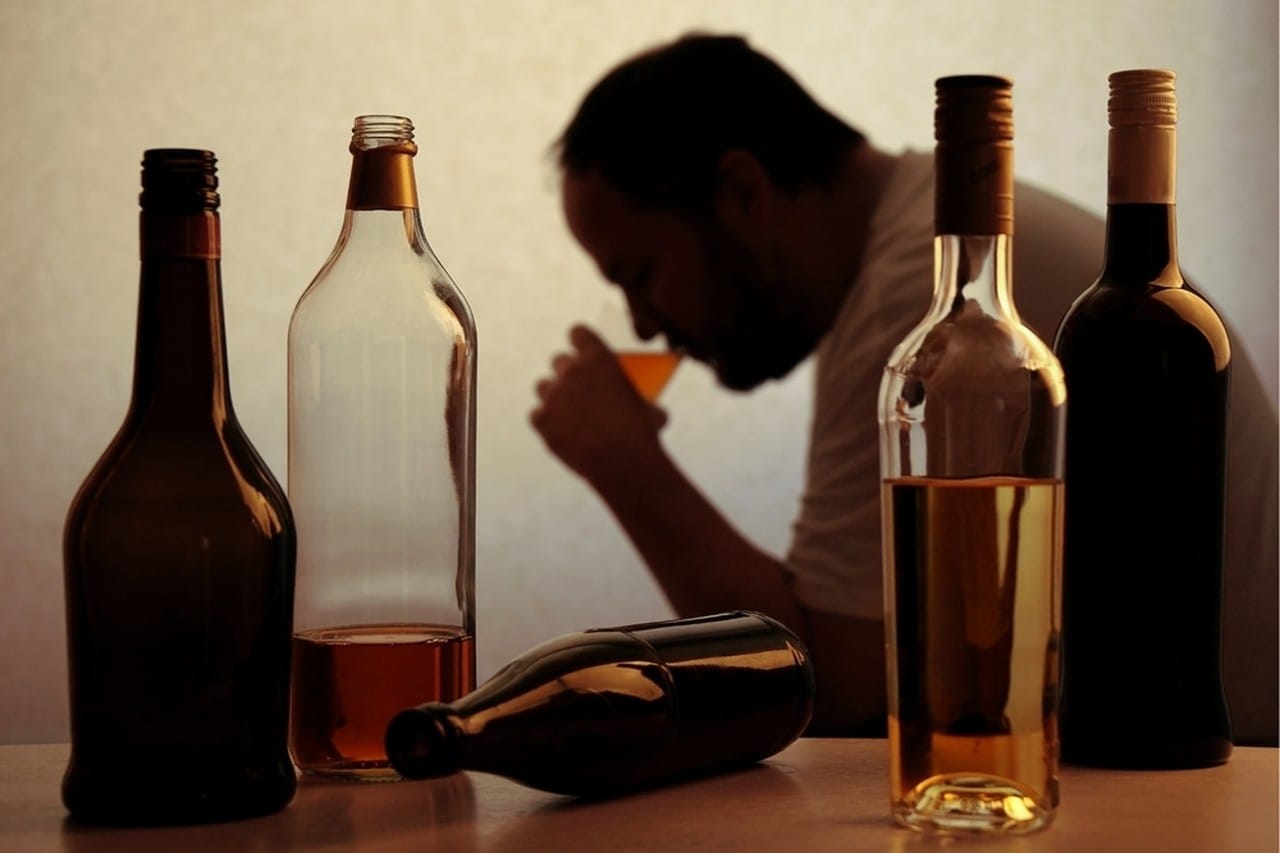
- Moderate alcohol: Alcohol (ethanol) and its metabolite acetaldehyde are classified as Group 1 by IARC. Reviewing drinking habits and setting alcohol-free days are effective measures.
- Smoke and air: Avoid cigarette smoke and cooking fumes indoors. Considering ventilation fans, air purifiers, and masks during outdoor work is also effective.
- UV protection: UV radiation (part of sunlight) is also identified as carcinogenic by IARC. Prevent prolonged exposure with sunscreen, hats, and sun-protective clothing.
Summary
Substances evaluated by IARC as 'carcinogenic to humans' are surprisingly close to us in our daily lives. However, what's important is not 'being afraid' but rather 'practical ways to reduce exposure.' Reducing intake of additive-containing beverages, avoiding moldy foods, devising cooking and storage methods, moderate alcohol consumption, and UV protection—these small daily efforts lead to risk reduction. The geefee team has also introduced methods that we have actually adopted and found effective, so please try starting with what you can easily do.
Disclaimer: The information in this article is for general informational purposes only and does not constitute medical advice. Please consult a qualified healthcare professional before making any health-related decisions.