
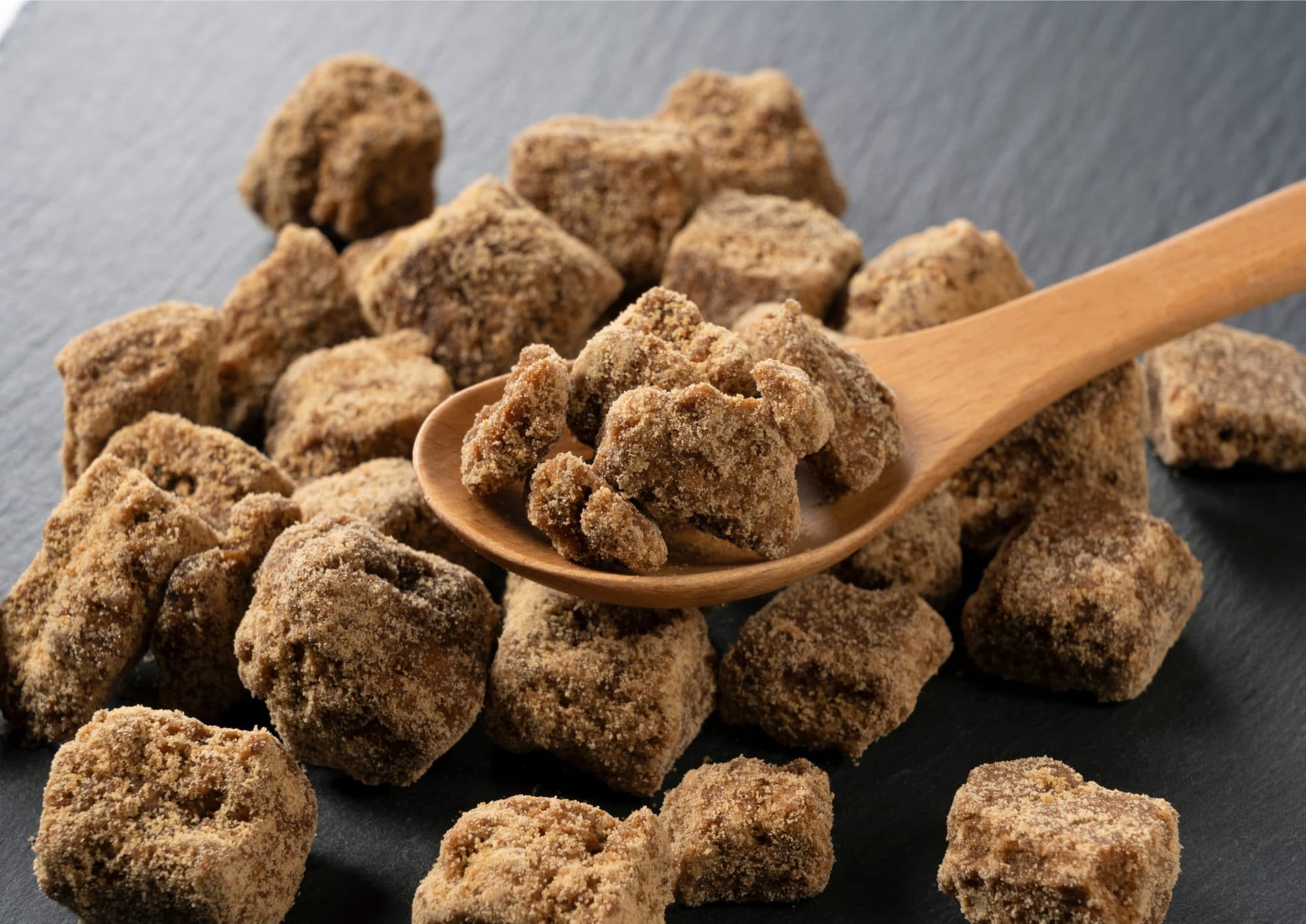
- Mycotoxins are not just an issue with imported foods. There have been cases where they have been detected in domestic brown sugar, rice, and fruit juices.
- They often cannot be completely removed by heating.
- Everyday preventive measures include "preventing their growth," "not using damaged items," and "choosing reliable products."
When you hear "mycotoxins," you might often think of imported foods or news from overseas. However, did you know that the danger of mycotoxins also lurks in our familiar domestic foods?
This time, we will focus on aflatoxin, patulin, and deoxynivalenol (DON), which are particularly noteworthy among mycotoxins, and explain cases of detection in domestic foods and preventive measures that can be practiced in daily dietary life.
What are Mycotoxins? Why are they an issue even in domestic foods?
Conditions for mold growth and mycotoxin production
Molds tend to grow easily in hot and humid environments, and they are particularly prone to proliferating in grains, nuts, and fruits after harvest or during storage. As molds proliferate, they can produce harmful metabolic products called mycotoxins.
Japan has a hot and humid climate, which makes it easy for mold to grow, and mycotoxins (mold toxins) can sometimes contaminate the foods we eat every day. The World Health Organization (WHO) and the International Agency for Research on Cancer (IARC) have also pointed out the health effects of mycotoxins, with representative examples including aflatoxin, patulin, and deoxynivalenol (DON). While these are often problematic in imported foods, the truth is that there have been reported cases of them being detected in domestic products as well, such as brown sugar, rice, and fruit juices. As we dove deeper into our own research, we strongly felt the need to rethink the common assumption that "domestically produced" automatically means "safe."
What Are Mycotoxins? The Basics and Key Points on Toxicity
"Secondary Metabolites" Produced by Mold
Mycotoxins are a group of chemicals produced by molds (fungi) when they are under stress. There are believed to be over 300 different types out there. Along with causing acute gastrointestinal issues, long-term exposure has been linked to serious health risks like a weakened immune system, liver damage, and even cancer. One in particular, aflatoxin, requires special attention—it is actually classified as a Group 1 carcinogen by the IARC, so it's definitely something we need to be careful about.
Examples of Detection in Domestic Foods and What They Mean
Aflatoxin: Reports on Brown Sugar and Domestic Rice
While aflatoxin has traditionally been viewed as an issue confined to tropical regions, there have been instances where trace amounts were detected during brown sugar inspections in Kagoshima Prefecture, as well as a report from the Ministry of Agriculture, Forestry and Fisheries showing levels exceeding the standard limit in rice grown in Miyazaki. Given that aflatoxin-producing fungi have actually been confirmed in the soil, we really can't say this is strictly an issue with imported foods.
**Patulin: Risks in Damaged Apples and Fruit Juices**
Patulin tends to form in rotten apples, and it has even been detected in apple juice and 100% fruit juices. While removing the damaged parts of the fruit can reduce its levels, it is very difficult to completely eliminate once it gets mixed in during the juice-making process.
Grain-derived toxins such as deoxynivalenol (DON)
DON, which occurs in grains like corn and wheat, can sometimes cause acute digestive issues. While it has been pointed out that it can pass into livestock through their feed—potentially resulting in trace amounts ending up in dairy products—proper feed management measures make it rare for levels to ever exceed safety standards.
Everyday Prevention Methods and Tips for Choosing Ingredients
What You Can and Can't Do When Storing and Cooking
Honestly, mold toxins often aren't completely destroyed just by heating or boiling them. Because of this, the idea that "it's safe as long as I cook it" is actually quite dangerous. The very first step to reducing our risk is preventing mold from growing in the first place. It's really important to thoroughly dry your foods or keep them refrigerated, and to avoid storing them in humid areas. When it comes to fruits, make sure to cut away any bruised or spoiling parts right away. As for juices, you'll have much more peace of mind if you stick to trusted brands and look into their manufacturing processes.
What to Look for When Buying
- Check for any unusual changes in appearance or smell (such as the presence of mold or a strange odor).
- Always follow the expiration dates and storage instructions. Once opened, be sure to consume it as soon as possible.
- Choose products with clear origin and manufacturer details (traceability)
- When it comes to processed foods, be sure to check the labels and manufacturer information to ensure the ingredients undergo proper quality control.
Conclusion
Mycotoxins aren't just an issue with imported foods—there have been cases where they've been detected in domestically produced brown sugar, rice, and fruit juices, too. Since they often can't be completely destroyed by heating or cooking, the most important things we can do in our daily lives are to prevent them from growing, avoid using damaged or spoiled ingredients, and choose highly reliable products. Our geefee team believes that we can significantly lower our risk simply by being mindful of how we select and store our food. Rather than feeling overly anxious, let's focus on incorporating these easy-to-practice preventive measures to keep our daily diets safe and healthy.
Disclaimer: The information in this article is for general informational purposes only and does not constitute medical advice. Please consult a qualified healthcare professional before making any health-related decisions.