
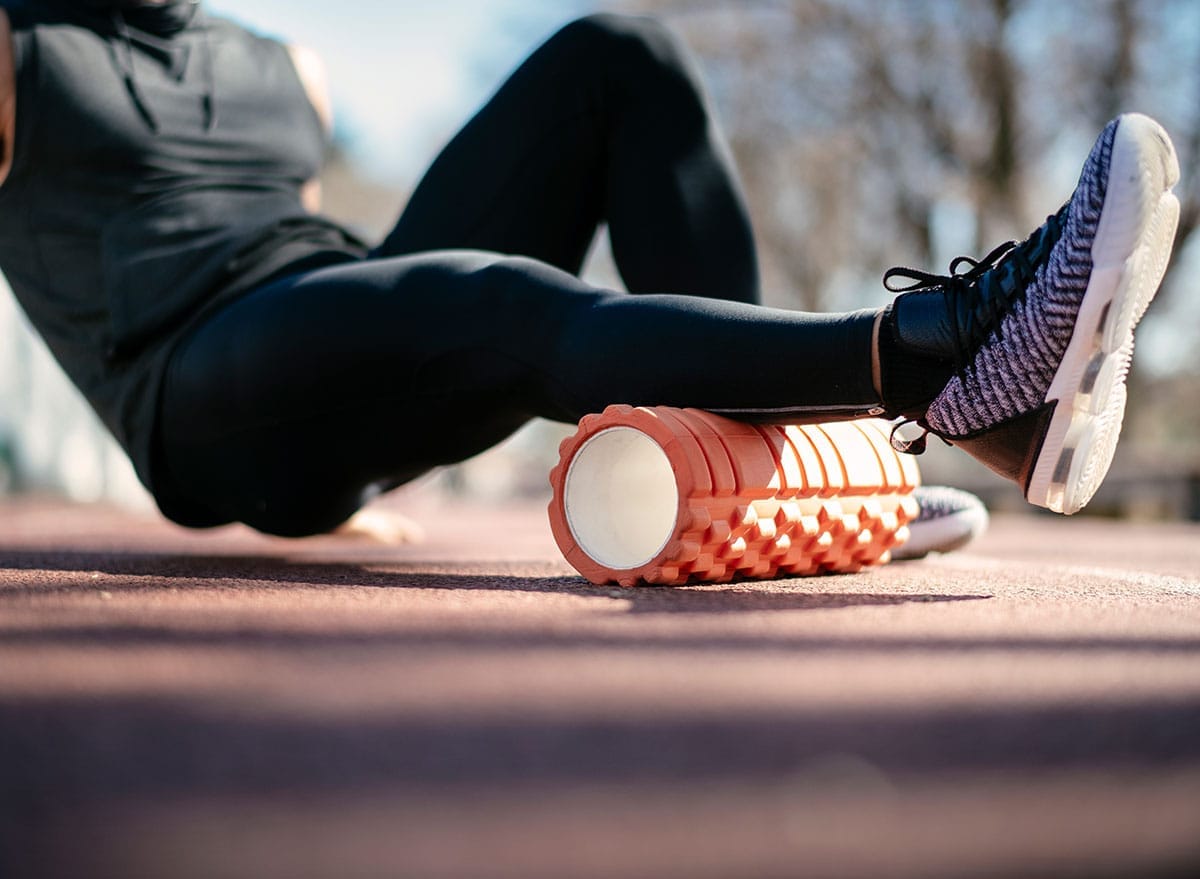
- Foam rollers are self-care tools that can help release fascia stiffness, improve flexibility and range of motion, and alleviate muscle soreness.
- There are different types to choose from depending on the material (ranging from soft to firm) and the surface texture (smooth or textured). If you're a beginner, we recommend starting with a softer one.
- Spend about 30 to 60 seconds on each area. If the pain feels intense, keep the duration shorter and move slowly. Please avoid applying direct pressure to your lower back, and try to stay mindful of your posture and breathing as you go.
- Results for concerns like cellulite or chronic lower back pain can vary from person to person. If your symptoms are severe, it’s important to consult a specialist.
Introduction: It’s not just about stretching—targeting “fascia” with a foam roller
At geefee, we've recently been incorporating foam rollers into our post-workout recovery routines. Unlike simple stretching or massage, foam rolling is gaining attention as a self-care method that gently releases twists and adhesions in the "fascia" (the membrane covering muscles), promoting ease of movement and faster recovery from fatigue. The Mayo Clinic also highlights the concept of myofascial release, indicating its potential benefits for post-sports care and alleviating everyday discomfort. Here, we'll clearly summarize the benefits, methods, and precautions, incorporating our own experiences from the geefee team.
**The Basics of Myofascial Release and Foam Rolling**
**What is Fascia?**
Fascia is a thin protein membrane that envelops muscles, forming a continuous network throughout the body. When fascia becomes twisted or adhered due to prolonged static postures or intense exercise, it can lead to stiffness, restricted movement, and pain, such as shoulder stiffness. Myofascial release aims to gently alleviate this "tension."
**Types of Foam Rollers and How to Choose the Right One**
When choosing a foam roller, consider its material and shape. Beginners or those prone to pain should start with a softer (low-density) roller. Harder types are for those who want deeper stimulation. While textured surfaces can provide targeted stimulation, they can also be more painful, so it's best to use them once you're accustomed to foam rolling. We at geefee also started with a soft, smooth type and gradually moved to textured rollers as we became more comfortable.
Potential Benefits and Evidence
Reducing Muscle Soreness and Boosting Recovery
Research suggests that foam rollers are beneficial for reducing delayed onset muscle soreness (DOMS) and maintaining performance afterward. There are reports of muscle stiffness and pain being alleviated by rolling for even a short time immediately after or the day after exercise.
Improving Blood Circulation and Warm-up Effects
Rolling is expected to have an effect similar to pushing blood out of muscles, promoting improved blood circulation and the supply of oxygen and nutrients. This can help prevent injuries and increase range of motion as part of a warm-up or cool-down routine.
**Potential for the Autonomic Nervous System and Chronic Pain**
There are also reports that long-term foam roller use has alleviated symptoms of chronic pain conditions like fibromyalgia. However, the causes and individual differences are significant, and it does not apply to everyone. While media and research suggest potential benefits, it's important not to have excessive expectations.
How to use it correctly and our recommended routines
How to Get Started: The Basics
・Roll slowly back and forth for approximately 30 to 60 seconds per area. If the pain is intense, reduce the pressure or shorten the duration.
・For trigger points (painful spots), it's also effective to apply pressure and hold for about 30 seconds. It's important to relax and not hold your breath.
・Avoid applying strong direct pressure to your lower back (lumbar spine). Focus on the upper back around the shoulder blades, thighs, calves, and glutes.
5-Minute Routine for Beginners (Example)
1. Back (Thoracic Spine): Slowly roll the area below the shoulder blades for 1 minute.
2. Front of Thighs (Quadriceps): From above the knee to the base of the thigh for 1 minute. Do one leg at a time.
3. IT Band (Outer Thigh): 30-60 seconds. Shorten the duration if pain is intense.
4. Glutes (Buttocks): Roll while sitting, 30-60 seconds per side.
5. Calves: 30 seconds per leg. After finishing, walk lightly to promote blood flow.
From our experience, doing this for 5-10 minutes before bedtime significantly eases stiffness the next morning.
Precautions and Things to Avoid
・Avoid using on areas with acute inflammation, swelling, fractures, or infections.
・Applying strong direct pressure to the lumbar spine can worsen symptoms, so avoid the lower back or consult a specialist.
・If you are pregnant, have blood clotting disorders, severe osteoporosis, or varicose veins, consult a doctor before use.
・Regarding cellulite, while temporary changes in appearance may occur, long-term improvement varies greatly among individuals, and it's crucial to combine it with exercise, diet, and lifestyle adjustments (as indicated by media reports and some experts).
If you experience severe numbness, sharp pain, or persistent numbness, do not continue and consult a medical institution or physical therapist.
Final Thoughts
Foam rollers are an excellent tool for self-care that can easily be incorporated into your routine to alleviate fascial stiffness and support flexibility and recovery. We at geefee have found that consistent use has reduced post-exercise fatigue and morning stiffness, increasing our ease of movement. However, incorrect usage or excessive pressure can be counterproductive, so we recommend starting with gentle pressure and consulting a specialist if you experience intense pain or chronic symptoms. While foam rollers are not a "cure-all," they can be a powerful ally in enhancing daily comfort when used consistently.
Disclaimer: The information in this article is for general informational purposes only and does not constitute medical advice. Please consult a qualified healthcare professional before making any health-related decisions.