
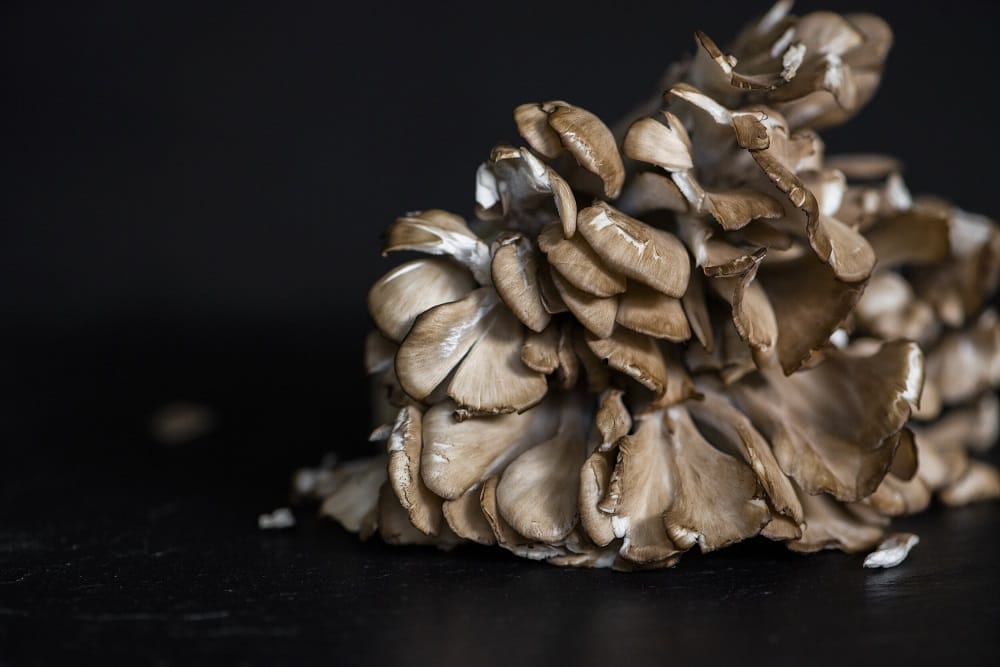
- Beta-glucan is a versatile ingredient with promising benefits, including immune regulation, cholesterol reduction, skin hydration and wound healing, as well as support for recovery after exercise.
- In foods, oats, barley, mushrooms, and yeast are typical examples. The effect of lowering blood cholesterol is generally associated with an intake of about 3g per day of oat-derived beta-glucan.
- For immune support and performance purposes, many studies have tested yeast-derived β-1,3/1,6-glucan at around 100 to 500 mg per day (individual results may vary).
- In skincare, it is expected to improve moisture retention and wound healing when applied topically, and it is also gaining attention as a cosmetic ingredient.
- As a supplementary option, quercetin plus bromelain supplements (e.g., Now Foods Quercetin with Bromelain) are a good match for their anti-inflammatory properties and absorption support, and can be considered when you want to strengthen your immune support.
What Is β-Glucan? A Gentle Introduction to the Basics
Beta-glucan is a type of soluble dietary fiber found in grains, mushrooms, and yeast, with its molecular structure and effects varying slightly depending on the source. The β-1,3/1,4 linkage type, commonly found in oats and barley, is known for its cholesterol-lowering properties, while the β-1,3/1,6 linkage type, found in yeast and mushrooms, has been extensively studied for its immune-modulating effects. For everyday meals, oats and mushrooms are easy to incorporate, making them a convenient and appealing choice for regular consumption.
The Mechanisms That Support Immunity and How to Incorporate Them into Daily Life
How Immune Regulation Works
β-Glucan is believed to support the activity of macrophages and innate immunity by interacting with immune cells in the digestive tract. Clinical studies have reported that yeast-derived β-glucan can reduce the incidence of colds and the severity of symptoms, although it does not have the same effect for everyone.
Everyday Practical Examples
Incorporating oatmeal (containing about 1–2g of beta-glucan per serving) a few times a week in the morning, along with yeast-derived supplements as needed, is a practical approach. From our own experience, simply adding oatmeal to breakfast helped us feel full for longer and made us less likely to catch colds during the cold season.
Lowering Cholesterol and Reducing Cardiovascular Risk
How soon can you expect to see results?
Beta-glucan derived from oats helps to reduce the absorption of dietary cholesterol. Multiple official organizations have evaluated it and concluded that consuming about 3 grams per day can have a positive effect on blood cholesterol levels. In practical terms, you can reach this amount by eating a good portion of oatmeal daily.
Tips for Putting It into Practice
Starting the day with a hearty serving of oatmeal and incorporating foods made from rye or barley are simple adjustments that are easy to maintain. If you feel that your diet alone isn’t enough, you might also consider using supplements that clearly state their ingredient amounts.
Expectations for Skincare, Beauty, and Athletic Performance
Effects on the Skin
Beta-glucan has been reported to help with skin hydration and wound healing both when applied topically and taken internally. It is sometimes included as an ingredient in skincare products and is a gentle, effective material for moisturizing sensitive skin and improving barrier function. In the lotion we tested, the moisture in areas prone to dryness lasted for a long time.
Support for Exercise and Recovery
It may help prevent immune suppression after exercise and reduce the risk of upper respiratory tract infections, making it beneficial for those who continue training. While research results are mixed, cases have been reported where people engaging in long-duration, high-intensity exercise especially feel the benefits.
Key Points for Choosing Supplements and Compatible Ingredients
When choosing a supplement, be sure to check its source (oats, yeast, mushrooms), the amount contained, purity, and whether it has undergone third-party testing. If you're aiming for immune support, yeast-derived β-1,3/1,6-glucans are commonly used in research. Dosages vary depending on the product, but many recommend around 100 to 500 mg per day.
Additionally, as a supplementary approach, combining anti-inflammatory and absorption-enhancing ingredients can be effective. For example, a supplement containing quercetin plus bromelain (our recommended choice is Now Foods’ Quercetin with Bromelain) pairs quercetin’s antioxidant and anti-inflammatory effects with bromelain’s support for absorption and inflammation reduction. When used alongside beta-glucan, it allows for a more comprehensive immune support. These supplements are easily available on sites like iHerb, making them convenient to incorporate into your routine.
However, supplements are not a cure-all; improving your lifestyle with a balanced diet, sufficient sleep, and regular exercise is essential. If you have allergies (such as to mushrooms, yeast, pineapple, etc.) or are concerned about interactions with medications, please consult your doctor or pharmacist beforehand.
Summary
Beta-glucan is a component that offers a wide range of benefits—not just boosting immunity, but also helping to lower cholesterol, support skincare, and aid recovery after exercise. If you want to incorporate it into your diet without difficulty, adding oatmeal or mushrooms to your daily meals is an easy and sustainable way to do so. For specific goals, like strengthening immunity or short-term support, it might be worth considering high-quality supplements. Our team feels that maintaining a balanced approach—primarily through diet, with supplements used as needed for additional support—is the best way to go.
Disclaimer: The information in this article is for general informational purposes only and does not constitute medical advice. Please consult a qualified healthcare professional before making any health-related decisions.