
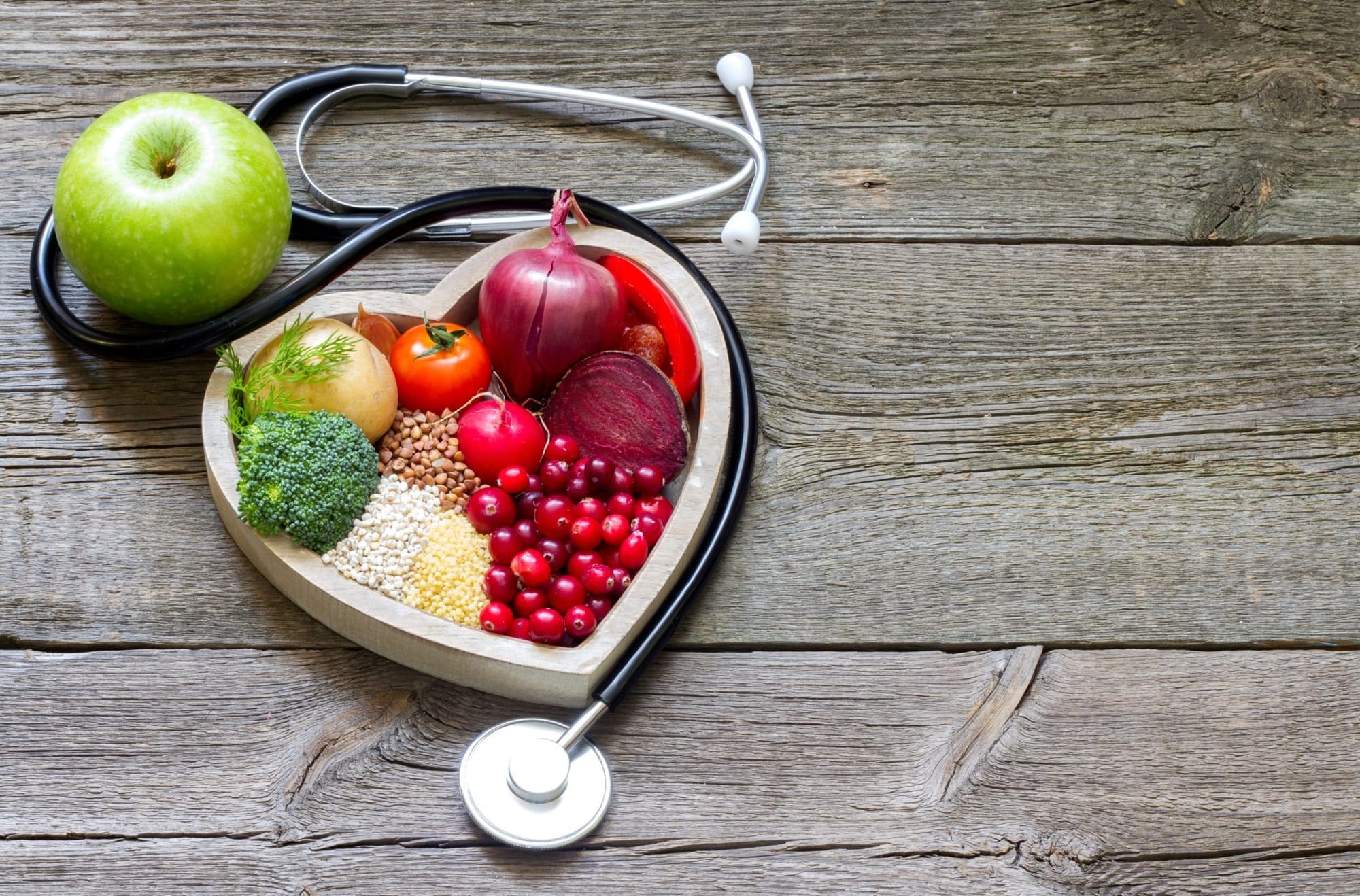
- High LDL (bad) cholesterol increases the risk of arteriosclerosis and cardiovascular events. It should not be ignored.
- Causes vary widely, including diet (especially trans fats), lack of exercise, obesity, smoking, and genetics. A ketogenic diet can increase LDL in some people.
- Dietary improvements (soluble fiber, plant sterols, fatty fish, nuts, olive oil), aerobic exercise, quitting smoking, moderating alcohol, and weight management are effective.
- Pay attention not only to LDL but also to non-HDL, ApoB, remnant cholesterol, and oxidized LDL. If necessary, consult a doctor to consider medication or detailed testing.
What Does It Mean to Have High LDL (Bad) Cholesterol? The Basics You Should Know First
Many of us have probably been told during a health checkup, "Your LDL is a bit high." LDL tends to accumulate on blood vessel walls, leading to plaque formation, arteriosclerosis, and an increased risk of myocardial infarction (heart attack) and cerebral infarction (stroke), making it a value you should keep a close eye on. While HDL (good) cholesterol plays a role in collecting excess cholesterol, recent studies have reported that high HDL alone cannot offset high LDL, making it crucial to manage LDL itself. Organizations like the CDC and Mayo Clinic also recommend regular testing.
Main Causes of Elevated LDL Levels
Dietary Factors
Trans fatty acids are a clear risk factor that lowers HDL and raises LDL. They are often found in snacks, baked goods, fried foods, and processed foods, so we should avoid them as much as possible. On the other hand, saturated fats (such as beef and butter) can change the "type" of LDL particles, and whether they are entirely bad is a subject of debate. Diets that increase fat intake, like the ketogenic diet, can cause LDL to rise in some individuals, and it's important to note that there are significant individual differences.
Lifestyle and Physical Condition
Lack of exercise, obesity, smoking, excessive alcohol consumption, and impaired glucose metabolism (high blood sugar and insulin resistance) can worsen LDL and remnant cholesterol. There are also cases where LDL is high due to genetic factors, such as familial hypercholesterolemia, and if levels are remarkably high at a young age, a detailed examination by a specialist is necessary.
Actionable Steps to Lower LDL Right Away
What You Can Do with Your Diet
- Increasing soluble fiber (oatmeal, psyllium, apples, legumes) can suppress cholesterol absorption in the intestines.
- Plant sterols and plant stanols (specialized foods and supplements) and nuts are expected to have an LDL-lowering effect.
- Omega-3s found in fatty fish can lower triglycerides and potentially reduce cardiovascular risk. MUFAs (monounsaturated fatty acids) like olive oil and avocados are also recommended.
- Avoid trans fats, heavily processed foods, and combination foods like french fries.
When we actually tried this, one of our members saw an improving trend in their blood test lipid profile just by incorporating oatmeal and fruit into their breakfast and switching to fish-centric meals a few times a week. However, individual differences are significant.
Improving Exercise and Lifestyle Habits
Doing about 150 minutes of aerobic exercise (walking, jogging, cycling) per week, managing weight, quitting smoking, moderating alcohol, getting quality sleep, and managing stress are effective for overall cardiovascular risk reduction. Since smoking promotes the oxidation of LDL and exacerbates vascular damage, quitting smoking is a particularly high-priority measure.
Testing, Medication, and Indicators to Watch
Indicators Other Than LDL Are Also Important
In addition to simple LDL-C, non-HDL cholesterol, ApoB, LDL particle number (LDL-P), and remnant cholesterol are also useful in evaluating cardiovascular risk. Oxidized LDL easily damages blood vessels and is associated with smoking and high blood sugar. If you are concerned, it is reassuring to consult a doctor and undergo a detailed examination.
When to Consider Medication
If lifestyle improvements are not enough, or if you already have a high risk of cardiovascular disease (medical history, diabetes, severe hypertension, etc.), medications like statin therapy are effective. Recently, options like PCSK9 inhibitors and ezetimibe have increased, but it is important to consult a doctor based on your risk assessment. Please do not stop or change medications based on your own judgment.
Summary
High LDL cholesterol increases the risk of cardiovascular events, so early countermeasures are important. The first step is to review your diet (avoid trans fats, incorporate soluble fiber, fish, and nuts) and improve basic lifestyle habits like regular exercise and quitting smoking. If you are following a special diet like the ketogenic diet, individual differences can cause LDL to rise significantly, so please consult a doctor or dietitian and get regular blood tests. Depending on the need, detailed testing or medication may also be considered. Our geefee team also recommends trying to improve through diet and exercise while valuing collaboration with experts.
Disclaimer: The information in this article is for general informational purposes only and does not constitute medical advice. Please consult a qualified healthcare professional before making any health-related decisions.