
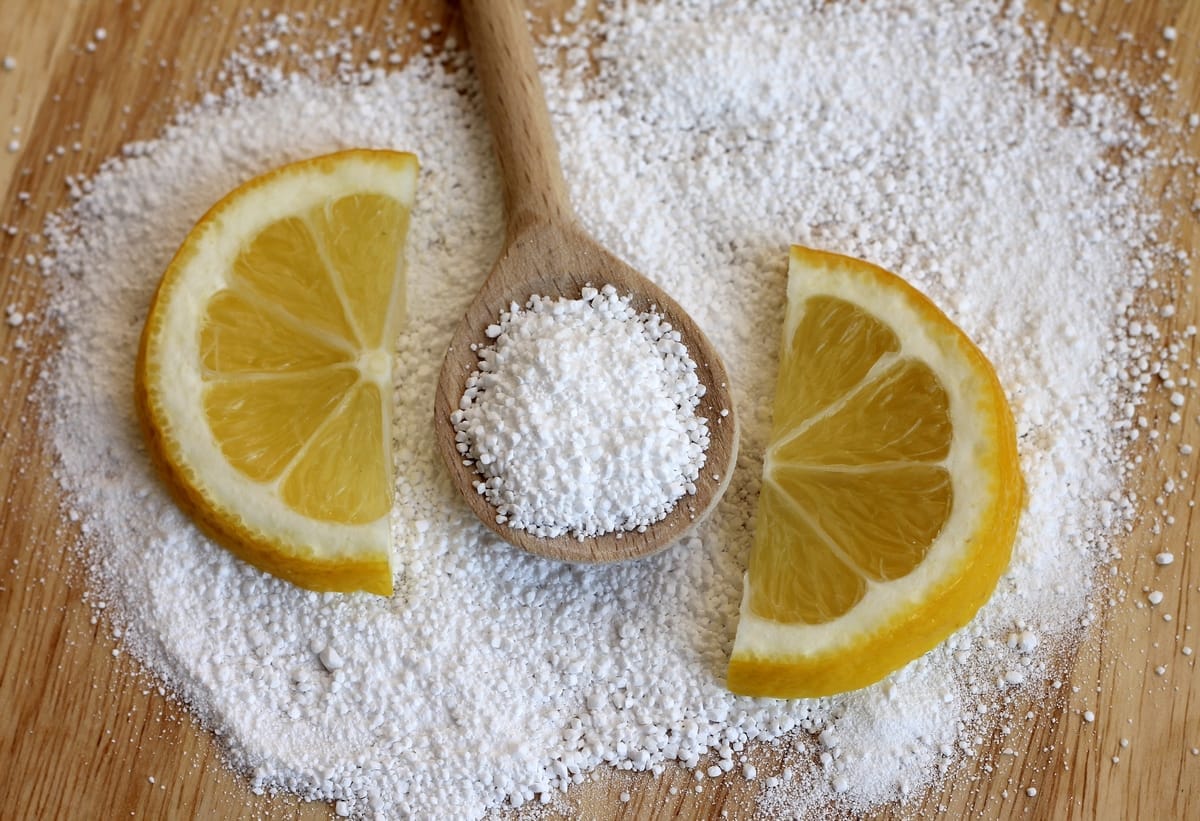
- Did you know that there are two types of citric acid found in food: one that is good for your health and one that is not?
- Most of the citric acid used in processed foods is manufactured (MCA), which is produced by fermenting starch or corn-derived sugar with a mold called Aspergillus niger.
- While chemically identical, MCA may contain trace impurities or microbial proteins from the fermentation process, which can be problematic.
- Case reports have linked MCA intake to inflammatory reactions such as joint pain, respiratory distress, and irritable bowel symptoms.
- It is important to check labels and choose foods with fewer additives, fresh fruits, or products made with fruit juice.
- If you experience long-term joint pain, digestive issues, or respiratory symptoms that seem related to citric acid intake, consider temporarily avoiding added citric acid or consult an allergist.
- Do not jump to the conclusion that "citric acid = bad." Individual reactions vary depending on the manufacturing process and body constitution.
- While scientific conclusions are still evolving, being mindful of labels and your body's condition is crucial.
Citric acid is a common ingredient found in many foods, but did you know that there are two types: natural and manufactured (MCA)? While natural citric acid, abundant in citrus fruits, is known for its health benefits, manufactured citric acid, produced through fermentation, has raised some concerns. This article will explain the safety and health effects of citric acid and practical measures you can take in your daily life.
Natural Citric Acid vs. Manufactured (MCA): What's the Difference?
Citric acid itself is a natural organic acid found in abundance in citrus fruits and is an important substance synthesized in the body as part of the TCA cycle. On the other hand, most of the citric acid used industrially is called "MCA (manufactured citric acid)" and is mass-produced by fermenting starch or corn-derived sugar with a mold called Aspergillus niger. Although chemically identical, trace impurities or microbial proteins generated during the fermentation process can be problematic. Some reports indicate that a large portion of the world's production is covered by this method.
Current Health Impacts: Good Aspects and Concerns
The Good Effects of Citric Acid
Citric acid has antioxidant properties and helps with energy metabolism. Experiments and animal studies have shown its role in reducing oxidative stress and promoting metabolism (e.g., animal experiments and biochemical findings). In daily life, consuming it through citrus fruits allows you to also ingest vitamin C along with its refreshing taste.
Concerns Regarding Manufactured Citric Acid (MCA)
Meanwhile, a 2018 case report (Sweis et al.) reported inflammatory reactions such as joint pain, respiratory distress, and irritable bowel symptoms after MCA intake. While the FDA classifies citric acid as GRAS (Generally Recognized As Safe), the data is insufficient to completely dismiss case-report-level concerns. Individuals with allergies to mold or fungi, or those with chronic inflammation, may be particularly sensitive. In our review of product labels, we found that many products do not clearly state their origin.
Practical Measures and Choices You Can Make Daily
- Check labels: Look for "lemon juice" or "natural origin" in the ingredient list, not just "citric acid." However, even if it says "natural," verification can be difficult, so don't over-rely on it.
- Food choices: Opt for processed foods with fewer additives, fresh fruits, or products made with fruit juice. When we switched to beverages made with real lemon juice, we noticed a difference in the mellowness of the acidity and the aftertaste.
- Responding to symptoms: If long-term joint pain, digestive symptoms, or respiratory symptoms seem related to citric acid intake, temporarily avoid added citric acid to see if it helps, or consult an allergist. Fungal allergy can be evaluated with skin tests or blood tests.
- Product-specific precautions: Citric acid is also widely used in supplements and cosmetics. If you have sensitive skin, perform a patch test or inquire about the origin of ingredients from the manufacturer for peace of mind.
Common Misconceptions and a Balanced View
A simplistic conclusion that "citric acid = bad" should be avoided. Although chemically the same, reactions vary depending on the manufacturing process and individual body constitution. Currently, evidence is primarily from case reports and small-scale studies, with a lack of definitive evidence from large cohort studies or randomized controlled trials. Therefore, instead of being overly fearful, it's important to make smart choices based on your physical condition and product labels.
Summary
Citric acid is a common ingredient in daily life, but there is a difference in origin between "natural" and "manufactured (MCA)." Manufactured citric acid has been associated with risks of impurities and allergies stemming from the fermentation process. However, scientific conclusions are still evolving. If you have a history of hypersensitivity or chronic discomfort, check labels and consult a doctor if necessary. By being mindful of labels, we have also become more aware of changes in our physical condition. For complete peace of mind, focusing on fresh fruits in your diet is the simplest and most reliable approach.
Disclaimer: The information in this article is for general informational purposes only and does not constitute medical advice. Please consult a qualified healthcare professional before making any health-related decisions.