
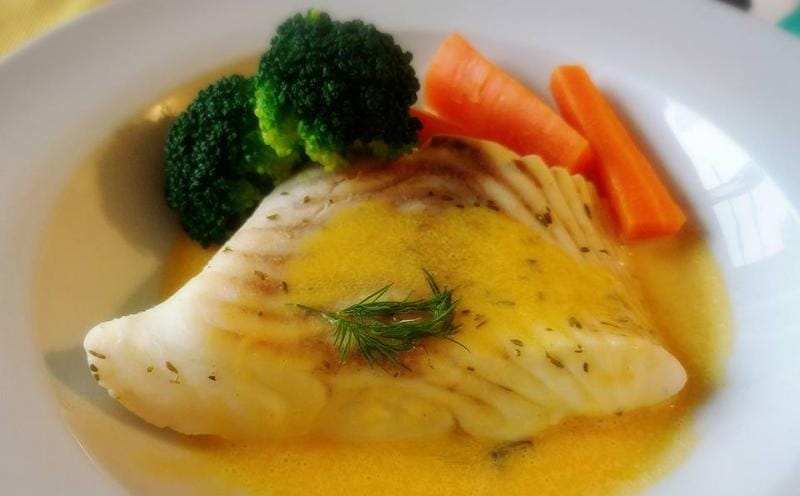
- Flounder poché is a healthy and easy cooking method that makes flounder tender and fluffy.
- The combination of white wine, apple cider vinegar, and herbs creates a fragrant and delicious dish.
- You can enjoy a balanced flavor with Hollandaise sauce or a light yogurt sauce.
- It's surprisingly simple to make and received rave reviews from my family.
- We recommend starting with the basic poché to enjoy the flounder's texture, then experimenting with sauces and herbs to suit your taste.
Hello everyone! This is the geefee team. Today, we're introducing a healthy and easy recipe: "Flounder Poché." Poché is a cooking method where you gently simmer ingredients in liquid over low heat. It's perfect for those who want to enjoy delicious fish while keeping it light and healthy.
What is Poché?
Poché is a French cooking technique that involves gently simmering ingredients in liquid (such as water, broth, or wine) at a temperature just below boiling. This method allows the ingredients to cook slowly and evenly, preserving their moisture and delicate flavors. It's often used for fish, eggs, and chicken.
Ingredients (for 2 servings)
- Flounder fillets: 2 (about 150-200g each)
- White wine: 100ml
- Apple cider vinegar: 50ml
- Water: 200ml
- Bay leaf: 1
- Garlic: 1 clove (sliced)
- Lemon slices: 2-3
- Black pepper: a pinch
- Celery leaves: a small amount
- Dill: 2 sprigs
- Broccoli: 1/4 head
- Carrot: 1/2
- Potatoes: 1 (small, optional)
For the Hollandaise Sauce (simplified)
- Egg yolk: 1
- Melted butter: 50g
- Lemon juice: 1 tsp
- Salt: a pinch
How to Make Flounder Poché
- Pat the flounder fillets dry with paper towels and sprinkle lightly with salt and pepper.
- In a pot, combine white wine, apple cider vinegar, water, bay leaf, sliced garlic, lemon slices, black pepper, and celery leaves, then bring to a simmer over medium heat. Adjust the amount of liquid so that the flounder is about halfway submerged when added.
- Once the liquid comes to a boil, reduce the heat to a very low simmer (around 80-90℃) where steam is rising but not actively boiling. Prepare the dill at this point.
- Line the bottom of the pot with celery leaves, arrange the flounder fillets skin-side down on top, and place the dill on the fish. Cover and steam-poach over low heat for about 8-10 minutes. Adjust the cooking time depending on the thickness of the fillets; the fish should turn white and flake easily. An internal temperature of 50-55℃ will result in a tender, fluffy texture.
- Prepare the boiled vegetables in a separate pot. Broccoli and carrots are delicious when boiled in salted water for 2-4 minutes, retaining a crisp texture. If using potatoes, cut them into small pieces and boil until tender. You can also lightly simmer the vegetables in the same poaching liquid to infuse flavor and create a sense of unity.
- Once the flounder is cooked, carefully remove it with a spatula and arrange it on a plate. Garnish with vegetables, drizzle generously with Hollandaise sauce, and squeeze lemon juice to taste. When I actually plated it, the richness of the sauce and the aroma of the herbs paired wonderfully with the flounder, making it a very satisfying dish.
Nutrition and Health Points
- Flounder is a low-fat, high-protein fish. It's suitable for those who want to supplement protein while keeping calories low.
- Poché allows you to cook with very little oil, reducing cooking fats. Flavoring with white wine, lemon, and herbs helps maintain satisfaction.
- Accompanying vegetables (broccoli, carrots, potatoes) provide dietary fiber, vitamins, and potassium. Broccoli, in particular, is rich in vitamin C and folic acid.
- Hollandaise sauce is high in calories and saturated fat due to the butter. For those on a diet or concerned about cholesterol, substituting with a yogurt-based dill sauce or a lemon-olive oil sauce makes it healthier.
- If you substitute salmon, you'll get more omega-3 fatty acids (EPA, DHA), which can have beneficial effects on cardiovascular health.
Tips for Variation
- Type of fish: Instead of flounder, you can also use salmon, cod, or sea bream. Salmon is fatty, so a shorter cooking time is sufficient.
- Poché liquid alternatives: Using sake instead of white wine will give a milder flavor. Adding a small amount of balsamic vinegar will add depth.
- Sauce: If Hollandaise is too rich, a plain yogurt sauce mixed with dill and lemon, or a caper and lemon vinaigrette, also makes a refreshing pairing.
- Herbs and aromatics: Thyme, chives, and parsley offer a variety of flavors. Adding a small amount of garlic enhances richness.
- Side dishes: Pairing with warm potato salad, green salad, or whole wheat bread makes for a highly satisfying meal.
Summary
Poché is a simple and healthy cooking method where flounder is gently cooked over low heat, resulting in a tender and fluffy texture. It's flavored with white wine, apple cider vinegar, and herbs, and you can enjoy a balanced taste with Hollandaise sauce or a light yogurt sauce. When we actually made it, the process was easier than we expected, and it was well-received by our family. Our geefee team recommends starting with the basic poché to enjoy the flounder's texture, and once you're comfortable, experimenting with sauces and herbs to customize it to your liking. Please feel free to give it a try!