
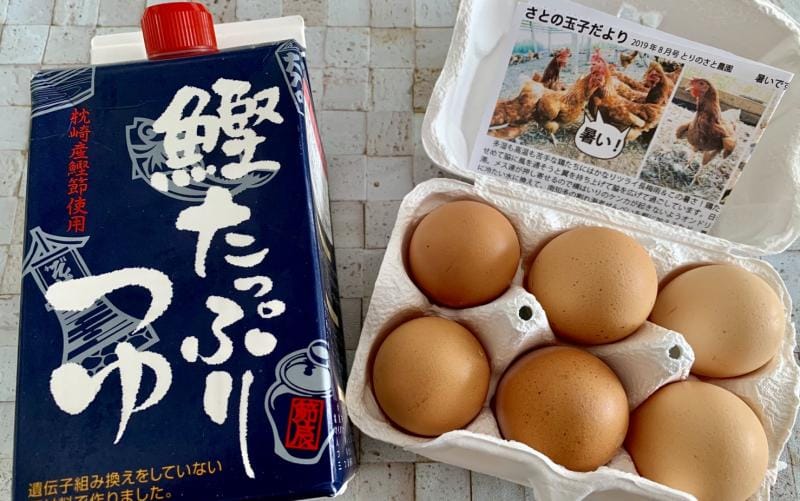
- I recommend eggs as a snack or small meal — they’re packed with high-quality protein and important vitamins.
- I like Setsutatsu Shoten's "Katsuo Tappuri Tsuyu" — it's additive-free, made from domestic ingredients, and richly flavored; diluting it lets me control the saltiness.
- For soft-boiled seasoned eggs, timing the boil and the rapid cooling are everything. Around 4 minutes gives a gooey yolk, and 6–7 minutes gives a slightly firmer soft-boiled texture.
- As long as I follow refrigeration, heating, and hygiene precautions (and recommend fully cooked or pasteurized eggs for high-risk groups), I feel comfortable enjoying these eggs.
What a diet-focused dentist teaches about soft-boiled seasoned eggs made with additive-free tsuyu
We at the geefee team value that what we eat affects not only oral health but whole-body health. Here we introduce a soft-boiled seasoned egg recipe using an additive-free tsuyu recommended by Dr. Jun Kuno, a dentist at Takigawa Dental. It's perfect as a snack or small nutritional bite and a simple way to boost protein. When we tried it, the bonito aroma stayed vivid and the flavor wasn't overpowering — easy to enjoy every day.
Why I think eggs + additive-free tsuyu make a great snack/mini-meal
Nutritional benefits
I find eggs provide high-quality protein along with vitamin D, B vitamins, and iron, and they keep you feeling full — so using them as a snack can help prevent overeating. Especially after exercise or during a work break, they're an easier choice on blood sugar levels than sugary treats.
Oral and dental advantages and cautions
Sweet snacks increase cavity risk, but boiled eggs contain almost no sugar, so their cavity risk is relatively low. That said, tsuyu contains salt, so I watch how much I use. For children and people with high blood pressure, I recommend diluting the tsuyu to adjust the sodium.
How to choose tsuyu — Features of Setsutatsu Shoten's "Katsuo Tappuri Tsuyu"
This time we used Setsutatsu Shoten's "Katsuo Tappuri Tsuyu," a long-loved dashi maker in the Tokai region founded in Ansei 1 (1854). They use katsuobushi from Makurazaki, sada-bushi from Tosashimizu, kombu from Hokkaido, and dried shiitake, and finish the product with soy sauce made from organic whole soybeans and organic wheat and Non-GMO mirin — an additive-free tsuyu. The absence of chemical seasonings and colorings, and the emphasis on domestic ingredients, felt reassuring to us (see Setsutatsu Shoten’s product information).
In our impression, it has a rich bonito aroma and a mellow sweetness, and a little dilution brings out plenty of flavor. But used straight it can taste salty, so we recommend diluting it with water.
Recipe: Soft-boiled seasoned eggs with additive-free tsuyu (ingredients, steps, tips)
Ingredients (for 4–6 eggs)
- Eggs … 4–6 (ideally fresh; if you're concerned about near-raw eggs, choose fully cooked or pasteurized eggs)
- Katsuo Tappuri Tsuyu … 100 ml (adjust to the size of your container)
- Water … 50–100 ml (for diluting the tsuyu; if you want to reduce salt, aim for tsuyu:water = 1:1 to 1:2)
Instructions
- I put enough water in a pot to cover the eggs and bring it to a vigorous boil over high heat. Once it's boiling, I gently add the eggs; when the water returns to a boil, I lower the heat to medium.
- Timing guide at medium heat: about 4 minutes for a runny, gooey yolk (soft-boiled), and about 6–7 minutes for a slightly firmer soft-boiled egg. Boil time can vary with egg size and stove power, so test once and adjust.
- As soon as they’re done, I transfer the eggs to ice water (or cold water) to stop the cooking immediately. This also makes peeling easier.
- After peeling, I place the eggs in a container and pour in the tsuyu diluted with water. Adjust the concentration to taste — diluting by half to equal parts water makes them easier for kids and anyone watching their sodium.
- I refrigerate them overnight (at least 4 hours) to let the flavor set. You’ll get some flavor in a short time, but overnight gives the best soak.
Storage and hygiene points
I recommend eating them within 2–3 days when stored in the fridge. Because these are close to soft-boiled, I suggest that people with weakened immunity, pregnant people, and infants opt for fully cooked eggs or pasteurized alternatives. Also, if you leave eggs soaking in the tsuyu for a long time, the flavor can become too salty or the texture can change, so taste and adjust as you go.
Ways to vary and serve suggestions
Of course you can eat them as-is, but I also like these variations:
- For bento: halve them and place on top of rice. They also work as onigiri fillings or rice-bowl toppings.
- Salad topper: a great source of protein for green salads or warm vegetable bowls.
- As a snack/small meal: after exercise or between meals, pair with a banana or nuts to balance nutrients.
- Flavor twists: a little sesame oil, shichimi pepper, or shredded nori changes the flavor in a tasty way.
In our trials, lightly marinating them and topping with chopped green onion and sesame made them a hit with the kids. They’re perfect for quick protein on busy days or as a satisfying snack.
In short
Soft-boiled seasoned eggs made with additive-free tsuyu are easy to make and a handy way to top up protein as a snack or small meal. Setsutatsu Shoten's "Katsuo Tappuri Tsuyu" is a flavor-forward, ingredient-conscious choice that you can dilute to control salt. Pay attention to boiling time, rapid cooling, and storage hygiene, and the whole family can enjoy them safely. We’ve made these at home many times and they’ve become a real go-to on busy days — try adjusting the strength to your taste.
Disclaimer: We provide this article for general informational purposes and it is not a substitute for medical or nutritional advice. If you are pregnant, caring for infants, elderly, or have weakened immunity, please avoid near-raw soft-boiled eggs and consult your physician or a registered dietitian. Also follow the guidance of specialists if you have food allergies or specific medical conditions.